In this guide
The hotel matters less than the area. London is thirty-two boroughs and a bad choice costs you an hour a day on the Tube, so this starts with the part almost every guide skips: which bit of the city to sleep in.28 areas, 188 hotels we have actually checked.
The short answer
- First visit, want to walk to things: Covent Garden, Soho or Westminster. You pay for it, and you will not use the Tube much.
- Best value that is still central: Bloomsbury or King’s Cross. Zone 1, ten minutes from the West End, noticeably cheaper.
- Cheapest rooms we found, area by area: Greenwich, Bloomsbury, Mayfair.
- A proper hotel room for £150 or less: the budget hotels London’s lists agree on — priced on the same five nights, and most of them a few stops out on a fast train.
- A show, match or conference at a big venue: stay where the last train home runs — near ExCeL London, near The O2 or near Wembley Stadium and OVO Arena.
- Arriving late or leaving early: King’s Cross or Paddington — both are termini, both have the Elizabeth line or the Piccadilly to Heathrow.
- Not staying the night at all: a day room — about 245 London hotels sell the afternoon rather than the night, at 24% to 69% off. The answer to a long layover or a late flight.
- Staying four nights or more: an aparthotel — a hotel where the room has a kitchen. It costs about what a hotel room costs per night, and pays for itself on what you stop spending at breakfast.
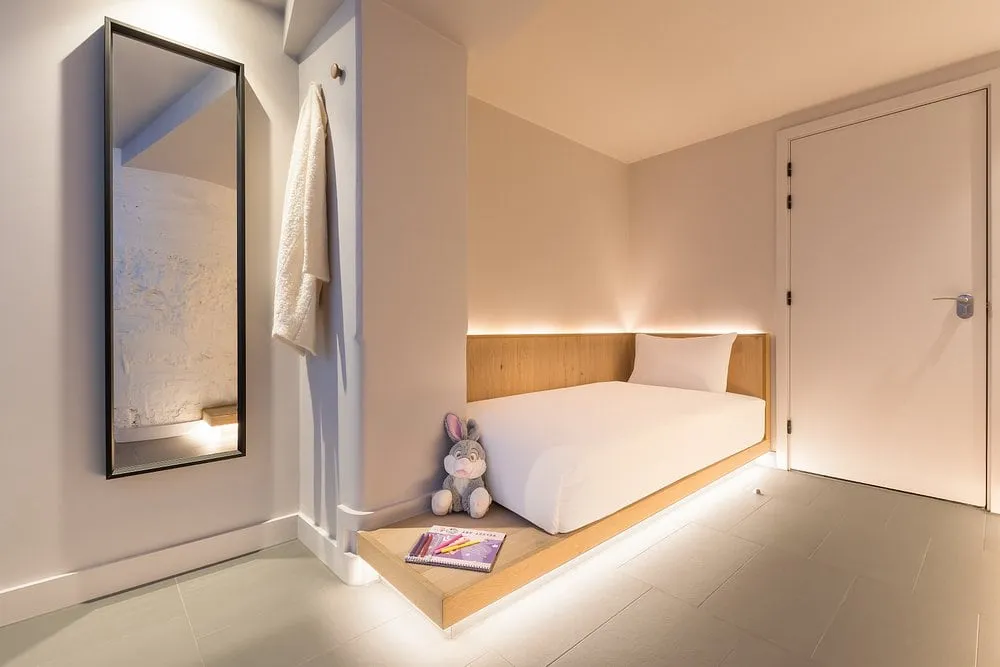
- Cheapest bed of your own: a capsule hotel — £33 to £68 a night at Piccadilly Circus depending on the date, which is Zone 1 for dorm-bed money, and the accommodation that reprices least when London fills up. If there are two of you, a windowless room is better value: the second guest adds about £5 a night.
- Travelling alone, or wanting a kitchen and other people: a hostel — from about £11 a bed. Our guide compares them on the things booking sites bury: which dorms are en-suite, which women’s dorms have their own bathrooms, and the age limits that will refuse you.
- Wanting a pool: London hotels with a pool — the rooftop pools at The Berkeley, art’otel Battersea and Virgin Hotels Shoreditch, the 25-metre pools, the children’s hours, and the famous spa “pools” that are only for a soak.
- Bringing the dog: dog-friendly hotels — Rosewood and Kimpton Fitzroy charge nothing for a dog, Travelodge takes pets in every room, and Premier Inn takes none.
- Somewhere that is not a tourist strip: Shoreditch, Bermondsey or Hackney. Better food, better bars, twenty minutes back at night — though Shoreditch is no longer the cheap option and is genuinely loud at weekends.
The cheapest night of the week — and why London breaks the rule
Across the UK, Sunday is the cheapest night to check in, by roughly 14% against a Saturday. The logic is simple: weekend visitors have gone home and the business travellers have not arrived yet.
In London that rule only holds in half the city. London has leisure districts and working districts sitting a few Tube stops apart, and they price in opposite directions:
- The West End, Covent Garden, Soho, South Kensington follow the normal pattern — dearest Friday and Saturday, cheapest Sunday and Monday.
- Canary Wharf and the City of London do the opposite. They fill Monday to Thursday with people working there and empty out at the weekend, so Friday and Saturday are often the cheapest nights of the week — in the areas most guides tell you are expensive.
So the practical trick is to move, not to wait. A Saturday in the City can cost less than a Saturday in Bloomsbury while being two stops from it. Run the same dates against two areas before assuming the cheap one is cheap.
Worth saying plainly: this is a pattern, not a timetable. A conference, a Test match or a bank holiday overrides all of it, and rates move by the hour. Check your own dates — the point is to check them in two areas rather than one.
Every area, cheapest first
“From” is the lowest typical starting rate for a room among the places we have checked in that area — not a quote, not a live price. Hostel dorms and capsule pods are left out deliberately: they are priced per bed rather than per room, and including them would rank an area cheap for having a single bunk or pod. Areas that have them are marked instead.
| Area | Zone | From | Hotels | What it is like |
|---|---|---|---|---|
| Greenwicharea guide | 2–3 | £66 | 5 | Maritime village with a hill, a park and a world-class view |
| Bloomsburyarea guidebeds & pods | 1 | £81 | 9 | Academic and leafy, with the calmest streets in central London |
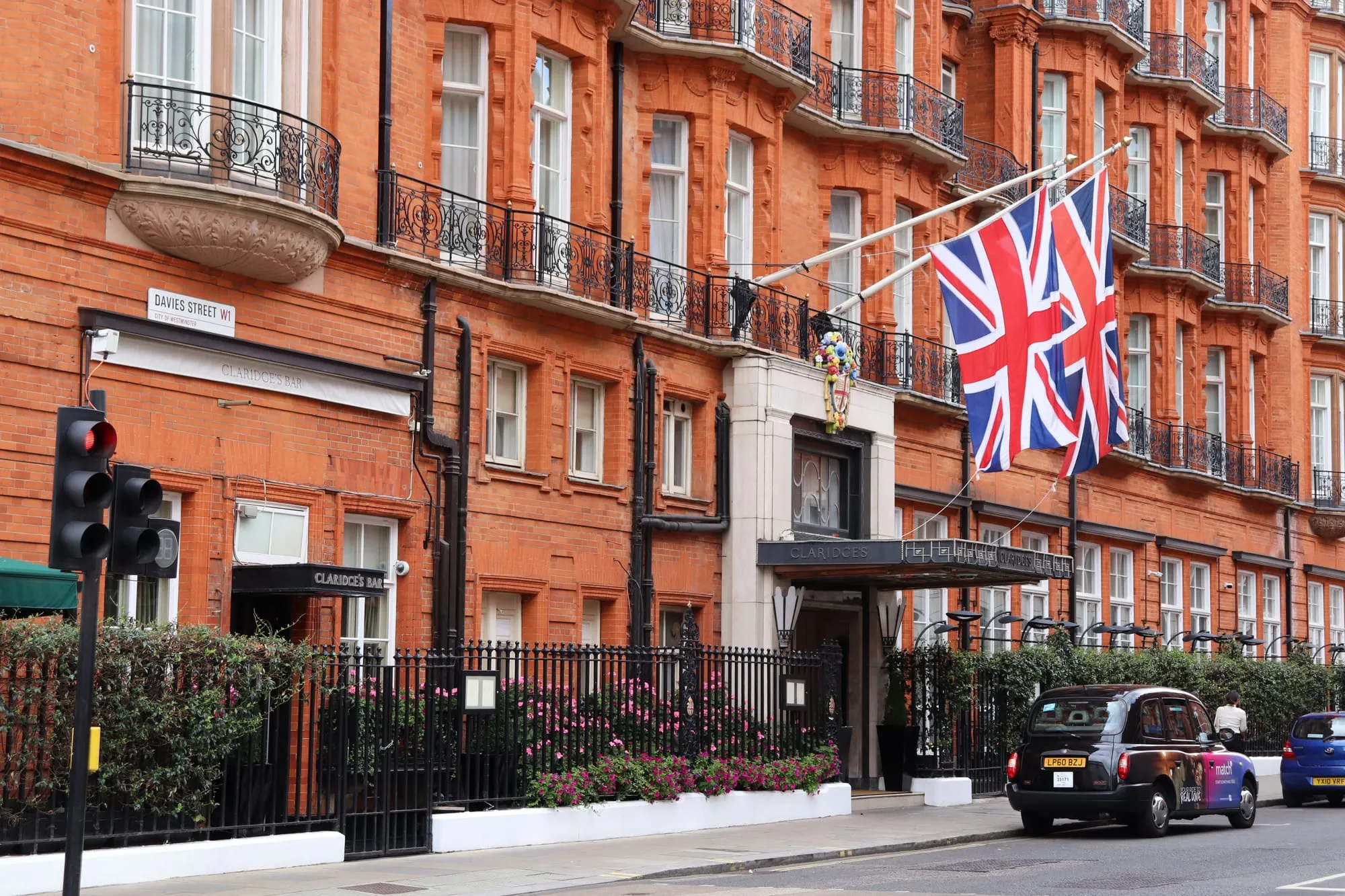
| Mayfairarea guide | 1 | £90 | 16 | Georgian grid, art dealers and the most expensive square in Monopoly |
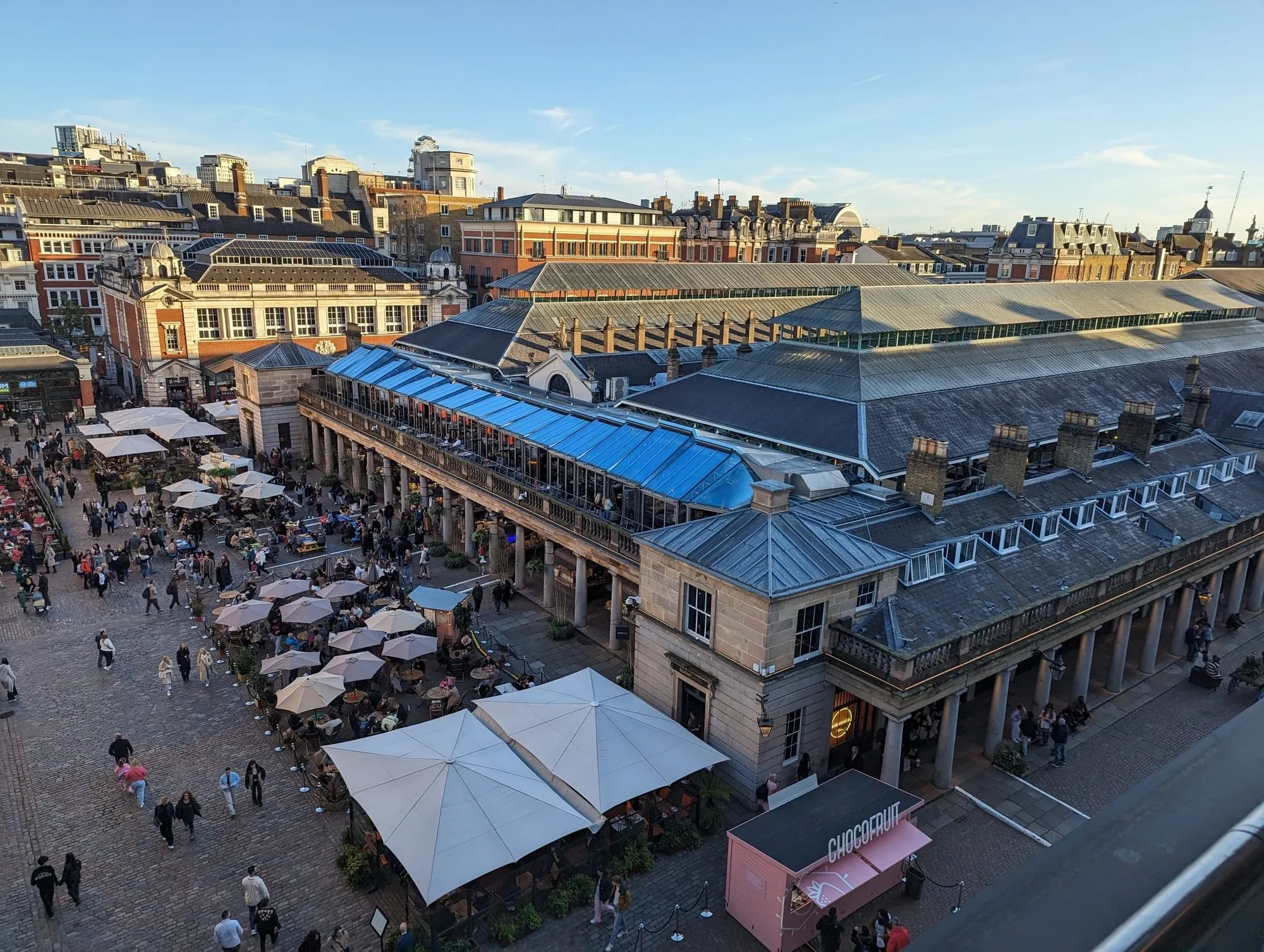
| Covent Gardenarea guide | 1 | £95 | 14 | Cobbled, theatrical and busy from morning until after the curtain falls |
| King's Crossarea guidebeds & pods | 1 | £95 | 7 | A rebuilt railway quarter — modern, open and surprisingly green |
| Sohoarea guidebeds & pods | 1 | £97 | 14 | Dense, loud and at its best after dark |
| Stratford | 2–3 | £100 | 2 | Post-Olympic parkland and one of Europe's largest malls, side by side |
| Shoreditcharea guide | 1 | £110 | 14 | Converted warehouses, painted walls and markets — busiest on Sundays |
| the South Bankarea guidebeds & pods | 1 | £110 | 10 | Open, riverside and the most reliably pleasant walk in London |
| Hackneybeds & pods | 2 | £130 | 3 | Parks, canals and market streets — residential London rather than visitor London |
| Hampstead | 2–3 | £130 | 2 | A hilltop village with 800 acres of half-wild heath behind it |
| Westminsterarea guide | 1 | £140 | 15 | Ceremonial, monumental and busy with bucket-list sightseeing |
| Fitzroviabeds & pods | 1 | £150 | 6 | Quietly residential above, and one of London's best eating districts at street level |
| Paddingtonarea guide | 1 | £150 | 7 | Practical transport hub with a surprisingly quiet canal quarter |
| Canary Wharfarea guide | 2 | £160 | 4 | Glass towers over Victorian docks, and an office estate halfway through becoming a neighbourhood |
| Bermondseyarea guide | 1–2 | £180 | 5 | Railway arches, warehouse conversions and a lot of breweries |
| the City of Londonarea guide | 1 | £190 | 10 | Roman street plan under glass towers, and empty at weekends |
| Islington | 1–2 | £190 | 2 | Georgian terraces and a mile of restaurants, theatres and antique shops |
| Notting Hillarea guidebeds & pods | 1–2 | £190 | 7 | Bohemian, village-like and relentlessly photogenic |
| Richmond | 4 | £200 | 2 | A Thames-side town that happens to be inside London, with a deer park attached |
| Marylebonearea guide | 1 | £230 | 8 | A village high street hidden one street back from Oxford Street |
| Chelseaarea guide | 1–2 | £240 | 6 | Affluent, low-rise and quietly residential once you leave the main road |
| South Kensingtonarea guidebeds & pods | 1 | £280 | 8 | Grand, Victorian and built around three world-class museums |
| Battersea | 1 | £320 | 1 | A rebuilt industrial landmark with a very good park next door |
| Kensingtonarea guidebeds & pods | 1–2 | £550 | 4 | Palace, parkland and stucco terraces — grand and unhurried |
| Belgravia | 1 | £1100 | 5 | White stucco, embassies and almost nobody about |
| Peckham | 2 | — | 1 | Loud, young and mixed, with the best rooftop drinking in London |
| Wappingbeds & pods | 2 | — | 1 | Cobbled warehouse streets and old river pubs, quiet almost all the time |
Where the money goes
The gap between the cheapest and dearest areas here is roughly £66 against £1100 a night, and most of that is postcode rather than room. Belgravia, Kensington, Battersea, South Kensington carry the grand hotels; you are buying the address and the lobby as much as the bed.
What that money does not buy is space. London rooms are small by international standards at every price under about £300, and a four-star room here is routinely smaller than a three-star room in most of Europe. If room size matters more than location, that is an argument for Zone 2 rather than for paying more in Zone 1.
Common questions
What is the best area to stay in London for a first visit?
Covent Garden, Soho or Westminster if you want to walk to the sights and do not mind paying for it. Bloomsbury and King's Cross are the value answer - still Zone 1, ten minutes from the West End, noticeably cheaper. The mistake is booking on price alone and ending up somewhere that costs you an hour a day on the Tube.
What is the cheapest night of the week to stay in London?
Sunday, in most of the city, because weekend visitors have left and business travellers have not arrived. But it inverts in the City of London and Canary Wharf, which fill Monday to Thursday and empty at weekends, so Friday and Saturday are often their cheapest nights. Check the same dates in two areas rather than waiting for a particular day.
Is it cheaper to stay outside central London?
Yes, as long as the train is quick. When we priced budget hotels on the same nights, the ones near a direct train of 30 minutes or less into the West End or the City were typically cheaper than those in central London. Count the fare and the journey time before you book: a cheap room an hour out is not a saving.
Which London areas have hostels?
Hostels and capsule hotels are marked in the area table. They are priced per bed or per pod rather than per room, which is why they do not set the 'from' price for an area - including them would rank a whole neighbourhood cheap on the strength of one bunk.