
In this guide
London’s reputation for expense is mostly about rent. A day here costs about £32 if you are careful and about £150 if you are not, and the gap is almost entirely bed, dinner and how many ticketed attractions you buy.
This page is what things cost and how to pay less for them. The other half — everything in London that charges nothing at all — is free things to do in London, which is a longer list than most people expect.
💡 The Short Version: A careful day in London is about £32 and a comfortable one about £150. Transport caps at £8.90, so you cannot overspend on it. Set lunch at a good restaurant is routinely half the evening price for the same kitchen. ICCO does a twelve-inch pizza for £3.95. A dorm bed near King’s Cross starts about £11 and a capsule at Piccadilly Circus about £33. And the sightseeing can cost nothing — the free list runs to hundreds of entries.
Prices checked September 2026. Fares and caps are TfL’s published 2026 rates; meal prices are from the operators’ own menus. No paid placements.
What London actually costs
Five lines carry almost the whole budget, and only one of them is unavoidable.
| A frugal day | A comfortable day | Where it goes wrong | |
|---|---|---|---|
| Bed | £11 dorm, £33 capsule | £90–£150 hotel | Zone 1 on a Friday |
| Food | £12 | £25–£35 | Sit-down dinners, every night |
| Transport | £8.90 cap | £8.90 cap | Paper tickets, and taxis |
| Seeing things | £0 | £30–£60 | Six paid attractions instead of two |
| Drink | £0 | £15 | A round in a central pub |
| Day total | about £32 | about £150 |
The daily cap does the work on transport: £8.90 across Zones 1–2 however much you travel, and £5.25 if you only use buses. You cannot overspend on transport in London unless you take taxis or buy paper tickets.
Seeing things is the line most people get wrong in both directions. London gives away more than almost any city — every national museum, the highest viewing floor, a seat in a courtroom — so a full day of good sightseeing can cost nothing. Free things to do in London is the whole of it, written out. What breaks a budget is buying six ticketed attractions at £30 each when two would have been the memorable ones.
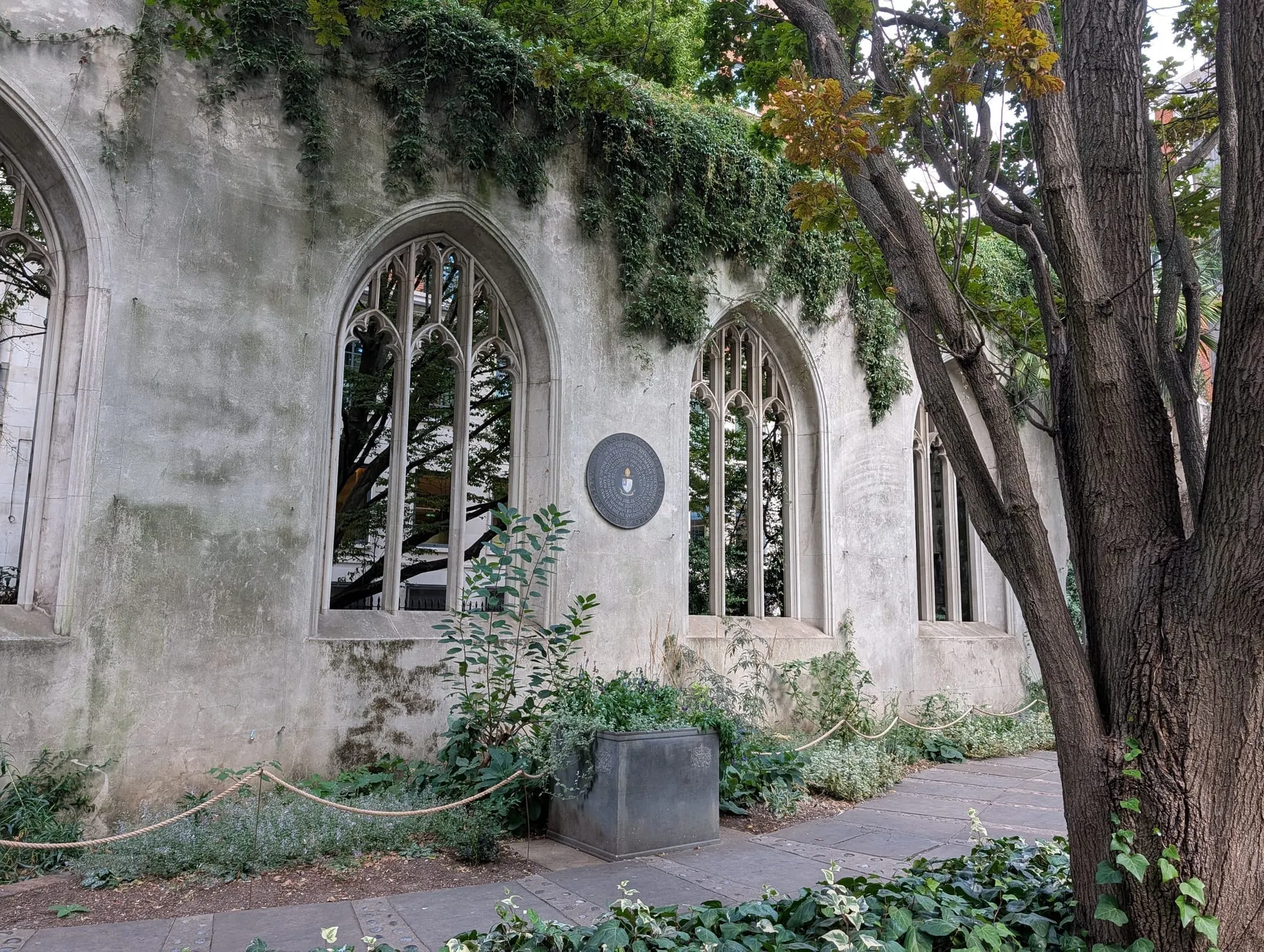
St Dunstan in the East, a ruined City church that is now a free garden.
Eating cheaply
£25–£35 a day eats well if you use markets and counters.
Under £5
- ICCO, Fitzrovia — a twelve-inch pizza from £3.95
- Kolkati at Seven Dials — kati rolls
- Shree Krishna Vada Pav, Fitzrovia
Under £12
- Wetherspoons — cooked breakfast from 8am, in buildings like a 1913 banking hall
- Michael’s Fish Bar, Leytonstone — the cheapest good chippy (cash only)
- Horn OK Please and Gujarati Rasoi, Borough Market
- Temple of Seitan — vegan fried chicken at chicken-shop prices
- Diwana, Euston — an all-you-can-eat vegetarian thali, and bring your own wine
Tips that actually save money
- Markets beat restaurants. Seven Dials, Borough and Old Spitalfields are all in the sightseeing core, and our markets guide covers which trade on which days. Street food, sandwiches and bakeries are where the cheap eating actually is.
- Set lunches at good restaurants are often half the evening price for the same kitchen — we have checked the fixed-price menus across London, set lunch and pre-theatre, from £12.50 up to Michelin-starred.
- Counters add no service charge. The discretionary 12.5% applies at table service only.
- Tap water must be provided free by any licensed premises. Ask.
Paying less for the things you do want
Most budget guides stop at listing cheap places. The bigger saving is paying less at somewhere you actually wanted to go, and that takes reading the small print rather than lowering your sights. These are the routes, what each one is really worth, and who it suits.
Eating
| Route | What it saves | Catch |
|---|---|---|
| Set lunch and pre-theatre | Chez Bruce is £40.50 against £98.50 at dinner; Brasserie Zédel £16.95; Hawksmoor £20 for a course of proper steak | Fixed days and times, and the best ones book out |
| Off-peak apps | First Table takes 50% off food for a £6 fee at 918 London restaurants; EatClub takes 25–40% off the whole bill including drinks at 1,069 | The famous names go at 5pm; the good later tables are at newer places |
| Discount cards | Tastecard at £29.99 a year pays for itself in under two meals | Gourmet Society sells a near-identical list for £79.99; NeoTaste has the most and best restaurants but every deal must be booked through it |
| Kids eat free | A child’s meal, at chains with a London branch | Every offer carries a required adult spend and an age limit |
Set lunch is the one to reach for first, because it needs no app, no card and no subscription — it is simply the same kitchen charging less earlier in the day.
Tickets and attractions
- National Rail 2FOR1 — two people in for the price of one at a long list of attractions. You need two people, two valid National Rail tickets, an eVoucher and an attraction actually in the scheme. Oyster and contactless do not qualify, which is the trap almost everyone falls into.
- Is the London Pass worth it? — the arithmetic, not the marketing. Briefly: a 2-day pass is £149 against £142 for the classic big five, so you need a sixth paid attraction before it starts winning.
- Cinema deals — Meerkat Movies gives 2-for-1 every Tuesday or Wednesday with no purchase required, just the app. If you are 16 to 25, the BFI is £4 and Picturehouse £5.99.
- Theatre — TKTS at the Leicester Square booth or online, midweek rather than Saturday, plus day seats, rush tickets and lotteries. Where you sit makes as much difference as what you see.
Cheap nights out
Gigs, comedy and theatre with an evening ticket at £15 or under, for the week ahead and spread across venues.
Each show at its next date, updated 5 October 2026. Follow a title for every date and the booking page. Every show at £15 or less on the What's On page.
Monday5 October
-
19:00Jane Eyre
Southwark Playhouse Borough · Elephant & Castle Zone 1+2
£12–£47.50 Venue site -
19:00Time Moves
Bloomsbury Theatre · Euston Square Zone 1
£6–£7 Venue site -
19:30Darkling
Bush Theatre · Shepherd's Bush Market Zone 2
£10–£45 Venue site -
19:30Man to Man
Royal Court Theatre · Sloane Square Zone 1
£0.10–£15 Venue site -
19:30TABLE 17
Kiln Theatre · Brondesbury Zone 2
£10–£55 Venue site -
19:30The Courtauldian Issue 36 Launch Party
The Lexington · Angel Zone 1
£4.40 DICE -
19:30The Turn of the Screw
Arcola Theatre · Dalston Junction Zone 2
£15–£39 Venue site -
20:00The Court's Quiz!
Royal Court Theatre · Sloane Square Zone 1
£5 Venue site -
21:00Jordan Brookes: The Part of You That’s Always Screaming
Soho Theatre · Tottenham Court Road Zone 1
£14–£20 Venue site
Tuesday6 October
-
19:30A Mirror
Tower Theatre · Stoke Newington Zone 2
£10–£16 Venue site -
19:30Autumn/ Winter 26: Polymer DMT / Fang Yun Lo - The Seas Between Us
The Place · Euston Zone 1
£5–£22 Venue site
Wednesday7 October
-
17:15RCM Insights: Women in Folk
Royal College of Music Museum · South Kensington Zone 1
£2–£15 Venue site
Getting around
- Always use contactless or Oyster. A paper single is roughly double.
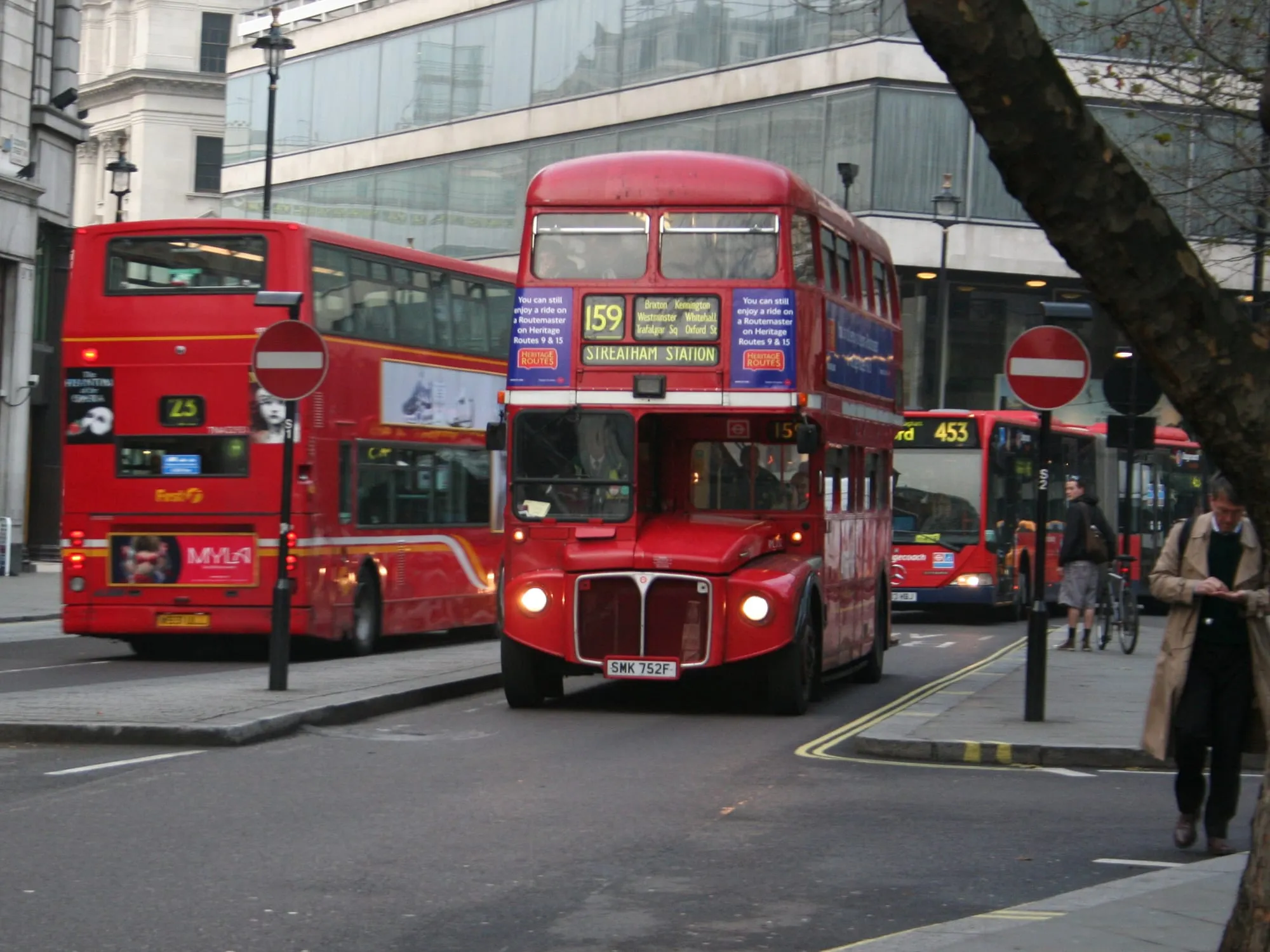
- Buses cap at about £5.25 a day however many you take — and you see the city.
- Walk. Covent Garden to Soho is five minutes; Westminster to the South Bank is ten. The Tube map is not to scale and it makes London look far bigger than it is.
- Under-11s travel free with a fare-paying adult.
- Avoid Zone 1 in the morning peak if your ticket allows — off-peak fares are materially cheaper.
- A bike is often faster than the Tube for short central hops, and cheaper — see cycling, bike hire and scooters for what each scheme actually costs.
- A council pool is the cheap end of exercise — £3.20 to £11.50 a swim against £26–£35 for a single boutique class. Gyms and leisure centres has the casual-use prices, which are what you pay for a week, not a year’s membership.
- Think twice about a tour bus. We have compared them, and for most people a day bus cap plus a walk does the same job for a fraction of the price.
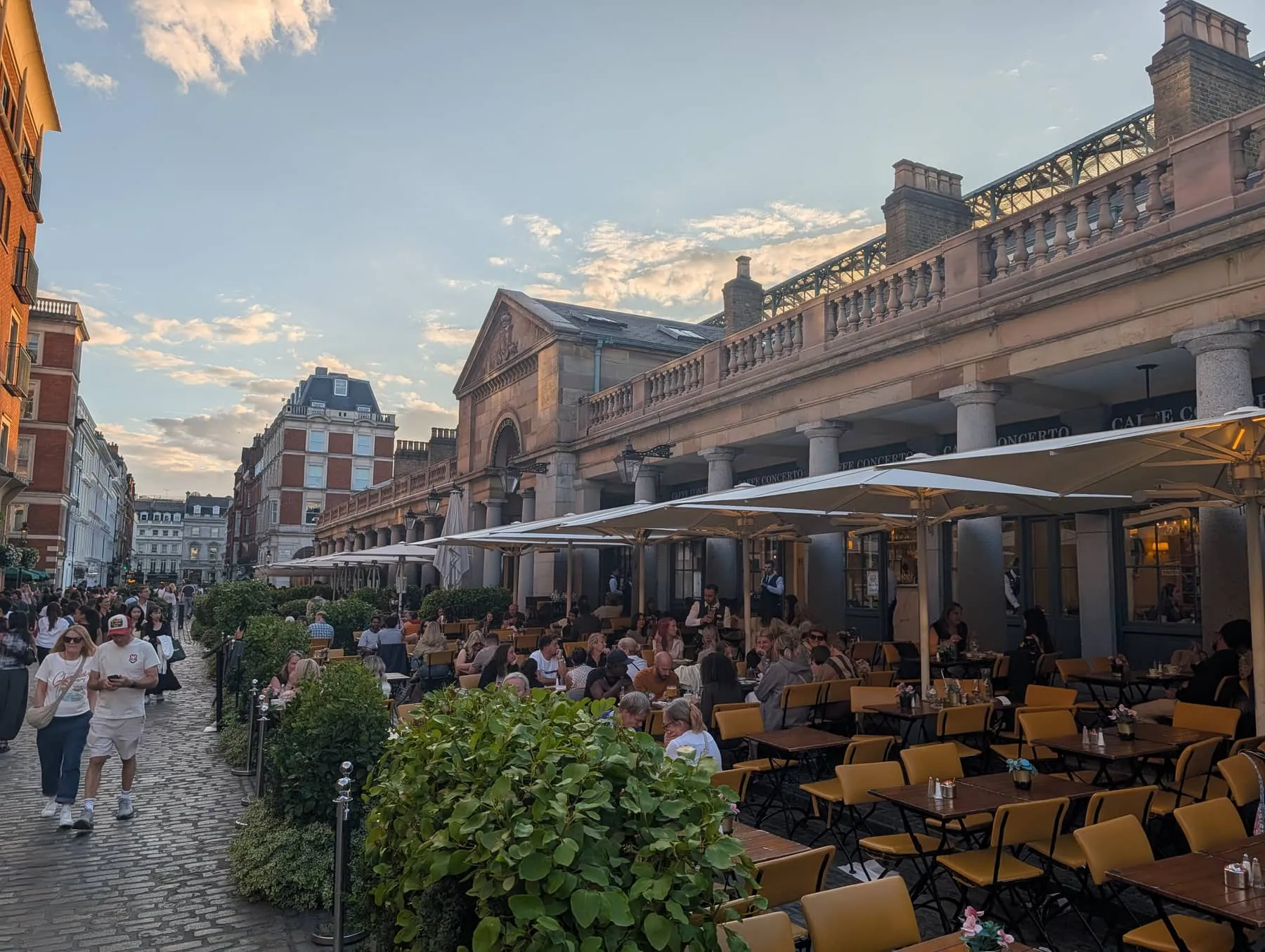
The piazza at Covent Garden.
The cheapest bed in Zone 1
Accommodation is the line that breaks most London budgets, and the one cheap option in the middle of town is a capsule — about £33 a night at Piccadilly Circus on a quiet date, which is hostel-dorm money for a berth of your own. Our pod hotels guide explains the trap: the same brand sells windowless private rooms under a nearly identical name at three to four times the price. If you are considering one of those, the windowless rooms guide describes what they are like to sleep in.
A dorm bed undercuts all of it — from about £11 near King’s Cross — and adds the thing a capsule does not have, which is a kitchen you can cook in. Our best hostels in London guide compares them on what the booking sites bury: which dorms are en-suite, which women’s dorms have their own bathrooms, the age limits that will refuse you, and what gets charged at the desk for a towel and a locker.
For a hotel room of your own, look a few stops out. When we priced 46 budget hotels on the same five nights, only three in central London had a typical night of £150 or less, and 19 more did further out, near a fast train into town. The best budget hotels in London has every one, and why a Sunday is the night to book.
The area counts for more than the hotel. Best areas to stay in London sorts the city by what the trip is for and covers what sets the budget — whether there is a train home at one in the morning, or a taxi. For a stay of more than a few nights, an aparthotel with a kitchen usually beats a hotel room on total cost, and if you only need somewhere between a late flight and a check-in, day rooms are cheaper than a wasted night.
The three lines that break a budget
- Accommodation. The one unavoidable expense, and Zone 2 with good transport beats Zone 1 every time.
- Paid attractions. The Tower, the Shard, Madame Tussauds and the Eye cost £25 or more each. Pick two, not six — and check what is free before you pick at all.
- Drinking. A pint is £6–£8 in central London. Wetherspoons and the outer zones are roughly half that.
Nothing else on the list moves the total much. The museums, the parks, the views, the walking and the markets are where London is generous, and no amount of careful planning saves you as much as choosing the right bed and buying two tickets instead of six.
Continue planning your London trip
- ⚽ Premier League Tickets in London — top-flight football needs a paid membership, but London’s lower-league clubs sell to anyone from £20
- 🛍️ Shopping in London — and tax-free shopping, including why you cannot claim the VAT back
- 🎪 Free Things to Do in London — the other half of this page: every national museum, the highest viewing floor in the city, and a seat in the public gallery at the Old Bailey
- 💷 Cheap Eats in London
- 👀 The Best Views in London
- 🌿 Sky Garden Guide — the free garden on the Walkie-Talkie, and the Monday ticket release
- 🏛️ The Best Museums in London
- 🏺 British Museum Guide — free entry, the Bayeux Tapestry tickets and what to see in an hour
- 📺 Free TV and Radio Tickets — studio audiences cost nothing
- 🔵 London’s Blue Plaques and the plaques map
- 🎟️ Is the London Pass Worth It? — the arithmetic worked through
- 🚇 Oyster Card Guide
- 💳 London Transport Costs and Fares
- 💰 Money in London: Cash, Cards and ATMs — the contactless limit, cash machine charges and how much cash to actually carry
- 🍽️ London Restaurant Deals — set lunch and pre-theatre, with the real prices
- 📱 Off-Peak Restaurant Apps — what the 50% actually covers
- 💳 Restaurant Discount Cards — Tastecard vs the rest, tested
- 👶 Kids Eat Free in London — every offer, with the terms
- 🎬 Cinema Deals in London
- 🚂 National Rail 2FOR1 — why contactless does not qualify
- 🌳 The Best Parks and Gardens — free, and most of the good ones are
- 🖼️ The Best Galleries in London — the permanent collections cost nothing
- 🚶 Thames Walks and canal walks
- ☔ London in the Rain — the cheapest wet-day plan is usually the best one
- 📅 Best Time to Visit London — which months actually cost less, with our own hotel-rate sample
Common questions
Is London expensive to visit?
The accommodation is, and almost nothing else has to be. Transport caps at £8.90 a day whatever you do, a full meal costs under £10 in several markets, and the sightseeing can cost nothing at all. A careful day comes to about £32.
How much money do you need per day in London?
About £32 a day if you are careful — a dorm bed at £11, £12 of market food, the £8.90 travel cap and free sightseeing. About £150 a day is comfortable: a hotel room, sit-down meals and a couple of paid attractions. Accommodation is the line that moves the total most.
How much should I budget for food in London?
£25–£35 a day eats well if you use markets and counters — £5 for breakfast, £10 for lunch, £15 for dinner. Sit-down restaurant meals start around £20 a head and rise fast.
What is the cheapest way to get around London?
Contactless or Oyster, and never a paper ticket. Buses are capped at about £5.25 a day regardless of how many you take. Walking is free and central London is smaller than it looks — Covent Garden to Soho is five minutes.
Is the London Pass worth it?
Only if you are doing several expensive paid attractions in a short time. Since the best museums are already free, most visitors are better off paying for the two or three ticketed things they actually want.
,_Cockspur_Street,_route_159,_9_December_2005_uncropped.jpg)