In this guide
London transport prices depend on the service, zones, time of travel and how you pay. Contactless or Oyster pay as you go is normally the simplest and least expensive choice for an adult visitor because eligible journeys are automatically capped.
Fare snapshot: prices on this page were checked on 2 August 2026. The next confirmed change is on 1 November 2026, when adult bus and tram fares rise. Always use TfL’s Single Fare Finder for an exact station-to-station rail fare.
Quick reference: the fares most visitors need
- Tube, Elizabeth line, Overground or DLR in Zones 1–2: a two-zone journey including Zone 1 costs £3.60 peak or £3.10 off-peak. A one-zone Zone 1 journey is £3.10 peak or £3.00 off-peak.
- Zones 1–2 daily cap: pay no more than £8.90 for eligible Tube, Elizabeth line, Overground, DLR, bus and tram travel when you keep using the same Oyster or contactless card or device.
- London bus or tram: £1.75 per adult, including further bus and tram journeys started within one hour. The bus-and-tram-only daily cap is £5.25.
- Children under 11: usually travel free on the main TfL services. On rail services they must be with a fare-paying adult, with up to four children per adult.
- Visitors aged 11–15: pay half the adult pay-as-you-go fares and caps for up to 14 days after the Young Visitor discount is added to an Oyster or Visitor Oyster card. A contactless bank card charges the adult fare.
🌟 3 Golden Rules for London Transit:
- Always use Contactless or Oyster: Never buy single paper tickets at station ticket machines.
- Stick to one card or device: Using Apple Pay on your phone and your physical bank card counts as two separate accounts, splitting your journey history and breaking your daily cap.
- Let automatic daily capping work for you: Avoid buying 1-Day Paper Travelcards—automatic daily capping is almost always cheaper.
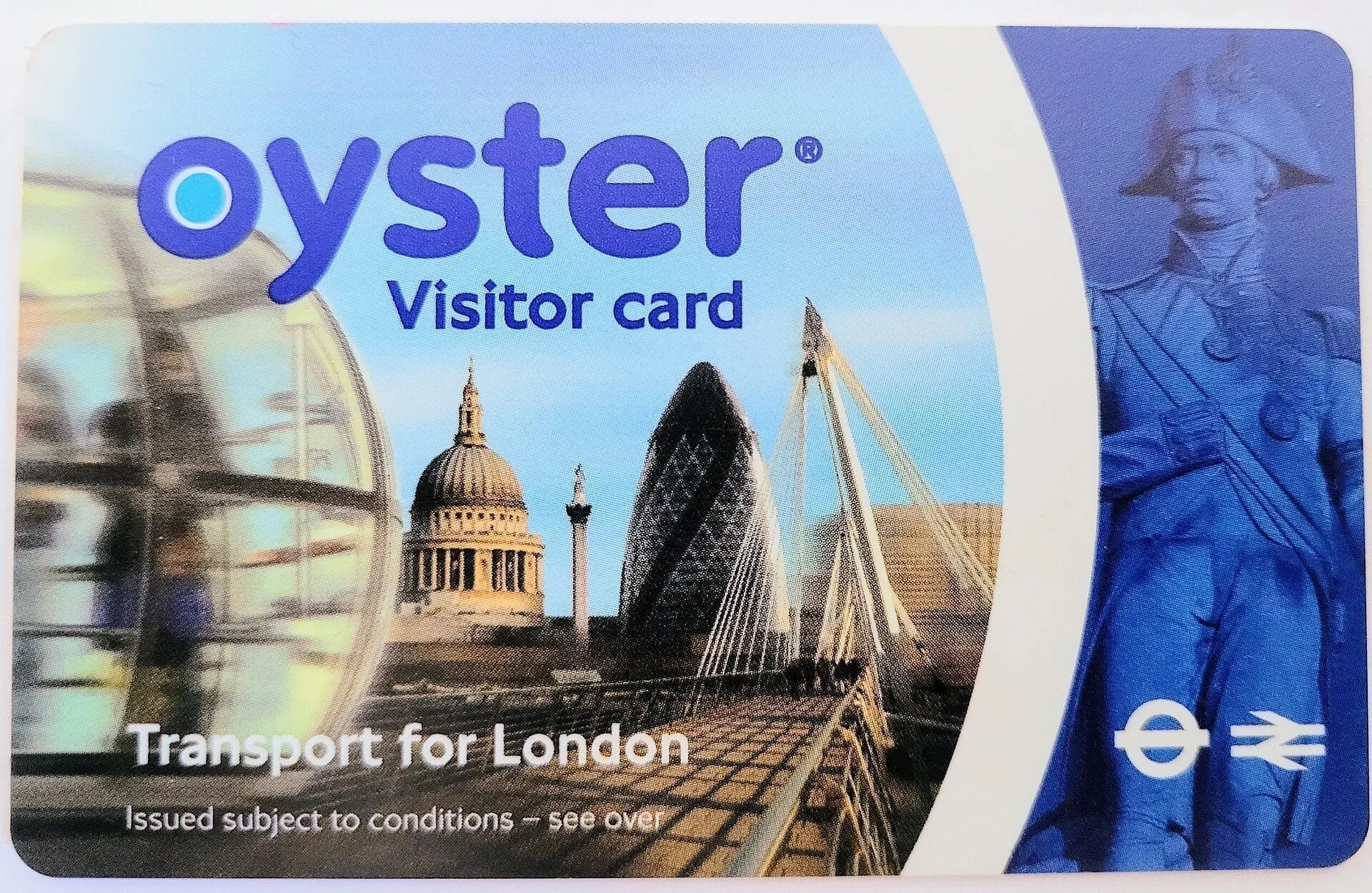
Not sure which payment method to choose? Read the complete Oyster card and contactless guide, including the current card fee, where Oyster works and when your own bank card is the better option.
This is the price companion to our complete London transport overview.
Peak and off-peak times
Peak and off-peak pricing mainly affects the Underground, DLR, London Overground, Elizabeth line and National Rail journeys using pay as you go.
| Fare period | When it applies |
|---|---|
| Morning peak | Monday to Friday, 06:30–09:29 |
| Evening peak | Monday to Friday, 16:00–18:59 |
| Off-peak | Monday to Friday before 06:30, 09:30–15:59 and after 19:00 |
| Weekends and public holidays | Off-peak all day |
The time you touch in at the start normally determines whether a single rail fare is peak or off-peak.
There are important exceptions:
- Journeys starting outside Zone 1 between 16:00 and 18:59 and ending in Zone 1 are normally charged an off-peak fare.
- On the Elizabeth line Reading extension, the evening contra-peak rule applies more widely to journeys heading towards London.
- It does not apply in the same way on Southeastern high speed, Gatwick Express or Heathrow Express.
- Tube and Elizabeth line journeys to or from Heathrow that start, end or pass through Zone 1 are charged peak fares.
Because the exceptions are journey-specific, check unusual or expensive routes in the Single Fare Finder.
Tube, DLR, London Overground and Elizabeth line single fares
Below are the current adult Oyster and contactless pay-as-you-go fares, effective since March 2026. While Transport for London (TfL) applies these standard rates across most Underground and suburban rail routes, select National Rail services and airport transfers operate under separate pricing tariffs.
Journeys including Zone 1
| Zones travelled | Peak single | Off-peak single |
|---|---|---|
| 1 zone | £3.10 | £3.00 |
| 2 zones | £3.60 | £3.10 |
| 3 zones | £3.90 | £3.30 |
| 4 zones | £4.80 | £3.60 |
| 5 zones | £5.30 | £3.80 |
| 6 zones | £5.90 | £4.00 |
Journeys avoiding Zone 1
| Zones travelled | Peak single | Off-peak single |
|---|---|---|
| 1 zone | £2.30 | £2.20 |
| 2 zones | £2.50 | £2.30 |
| 3 zones | £3.20 | £2.40 |
| 4 zones | £3.40 | £2.50 |
| 5 zones | £3.80 | £2.60 |
The figures above reflect standard TfL fare tiers. Actual travel costs may vary depending on your chosen route, train operator, airport surcharges, or travel beyond Zone 6.
Single Fare Finder: check any journey’s exact price
The tables above are the standard zonal fares. For a specific journey — particularly one that touches National Rail, an airport, or any of the peak-time exceptions listed earlier — use TfL’s Single Fare Finder. Enter any two stations and it returns the exact pay-as-you-go single for Oyster and contactless, peak and off-peak, including any Railcard discount loaded on the card. It draws on the same fare data the barriers charge from, so if a figure on this page and the finder ever disagree, trust the finder.
Daily and weekly caps
A cap limits what you pay for eligible journeys when you keep using the same Oyster card or the same contactless card or device. The TfL day runs from 04:30 to 04:29 the following morning.
| Zones used | Daily cap | Monday–Sunday cap |
|---|---|---|
| Zones 1–2 | £8.90 | £44.70 |
| Zones 1–3 | £10.50 | £52.50 |
| Zones 1–4 | £12.80 | £64.20 |
| Zones 1–5 | £15.30 | £76.40 |
| Zones 1–6 | £16.30 | £81.60 |
| Zones 1–7 | £17.80 peak / £16.30 off-peak | £88.90 |
| Zones 1–8 | £21.00 peak / £16.30 off-peak | £104.90 |
| Zones 1–9 | £23.30 peak / £16.30 off-peak | £116.40 |
For Zones 1–6 the 2026 daily peak and off-peak caps are the same. Some outer-zone combinations have a lower off-peak cap; consult TfL’s complete 2026 caps table.
Crucially, TfL’s weekly cap strictly follows a Monday-to-Sunday calendar week rather than a rolling seven-day window. If your trip starts mid-week, purchasing a 7-Day Travelcard may offer better value than contactless capping.
Heathrow Express and Southeastern high-speed journeys are excluded from these caps. River Bus and Cable Car payments are also separate.
Comparing Daily Capping vs. 7-Day Travelcards
For almost all visitors, pay-as-you-go using a contactless card or Oyster card is the cheapest and most convenient way to pay for travel in London. A 7-Day Travelcard is only worth buying if you plan on doing a lot of travelling over 5 to 7 consecutive days—or if your trip starts mid-week and spans two calendar weeks.
- Flexible Start Date: Unlike contactless weekly capping (which strictly runs Monday to Sunday), a 7-Day Travelcard can start on any day of the week you choose (e.g. Wednesday to Tuesday). It is valid for 7 consecutive days starting at 04:30 on your chosen start date, and can be purchased up to 30 days in advance.
- Bonus River Discount: Holding a valid Travelcard (including a 7-Day Travelcard) gives you a 33% discount (1/3 off) on standard Uber Boat River Bus fares and scheduled Thames passenger services.
Quick Example (Zones 1–2):
The daily contactless cap for Zones 1–2 is £8.90, while a 7-Day Travelcard costs £44.70.
- If you travel over 4 days, contactless capping costs £35.60 (saving you £9.10 compared to a Travelcard).
- If you travel heavily for 5 full days, contactless capping reaches £44.50 (5 × £8.90), making a 7-Day Travelcard virtually identical in cost.
Side-by-side comparison: Daily Cap vs. 7-Day Travelcard
| Zones covered | Daily Contactless / Oyster Cap | 7-Day Travelcard |
|---|---|---|
| Zones 1–2 | £8.90 | £44.70 |
| Zones 1–3 | £10.50 | £52.50 |
| Zones 1–4 | £12.80 | £64.20 |
| Zones 1–5 | £15.30 | £76.40 |
| Zones 1–6 | £16.30 | £81.60 |
| Zones 1–9 | £23.30 peak / £16.30 off-peak | £116.40 |
Avoid 1-Day Paper Travelcards: Paper 1-Day Travelcards are still sold at station ticket machines, but they carry a heavy physical paper surcharge (£16.60 to £23.60 per day) compared to the £8.90 to £16.30 contactless daily caps above. Always tap with contactless or an Oyster card for daily travel. Note that all Travelcard prices and capping thresholds remain frozen under current TfL policy through March 2027.
Bus and tram prices
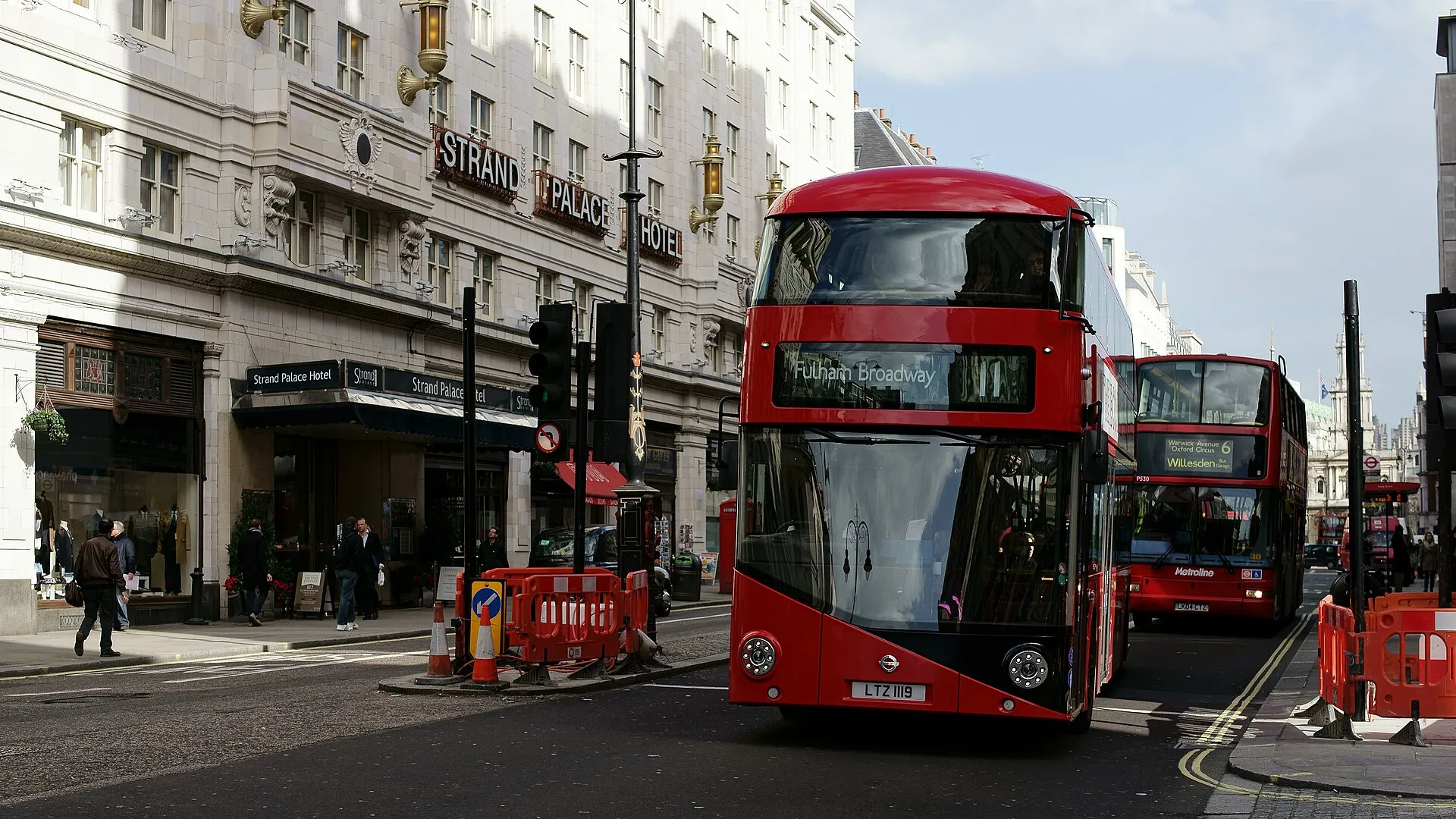
London buses and trams use a flat fare structure across all zones with no peak surcharges. Whether you ride one stop or travel across the entire route, the price remains identical.
For boarding instructions, live arrivals, and key routes, read our complete guide to How to Use London Buses and Trams.
Current bus & tram fares (Through 31 October 2026)
| Ticket or cap | Adult price |
|---|---|
| Single PAYG bus/tram fare | £1.75 |
| Daily bus & tram cap | £5.25 |
| 1-Day Bus & Tram Pass | £6.00 |
| 7-Day Bus & Tram Pass | £24.70 |
| Monthly Bus & Tram Pass | £94.90 |
| Annual Bus & Tram Pass | £988.00 |
How the Hopper Fare works
The Hopper Fare allows you to make unlimited bus and tram journeys across London within 60 minutes for the price of a single fare (£1.75).
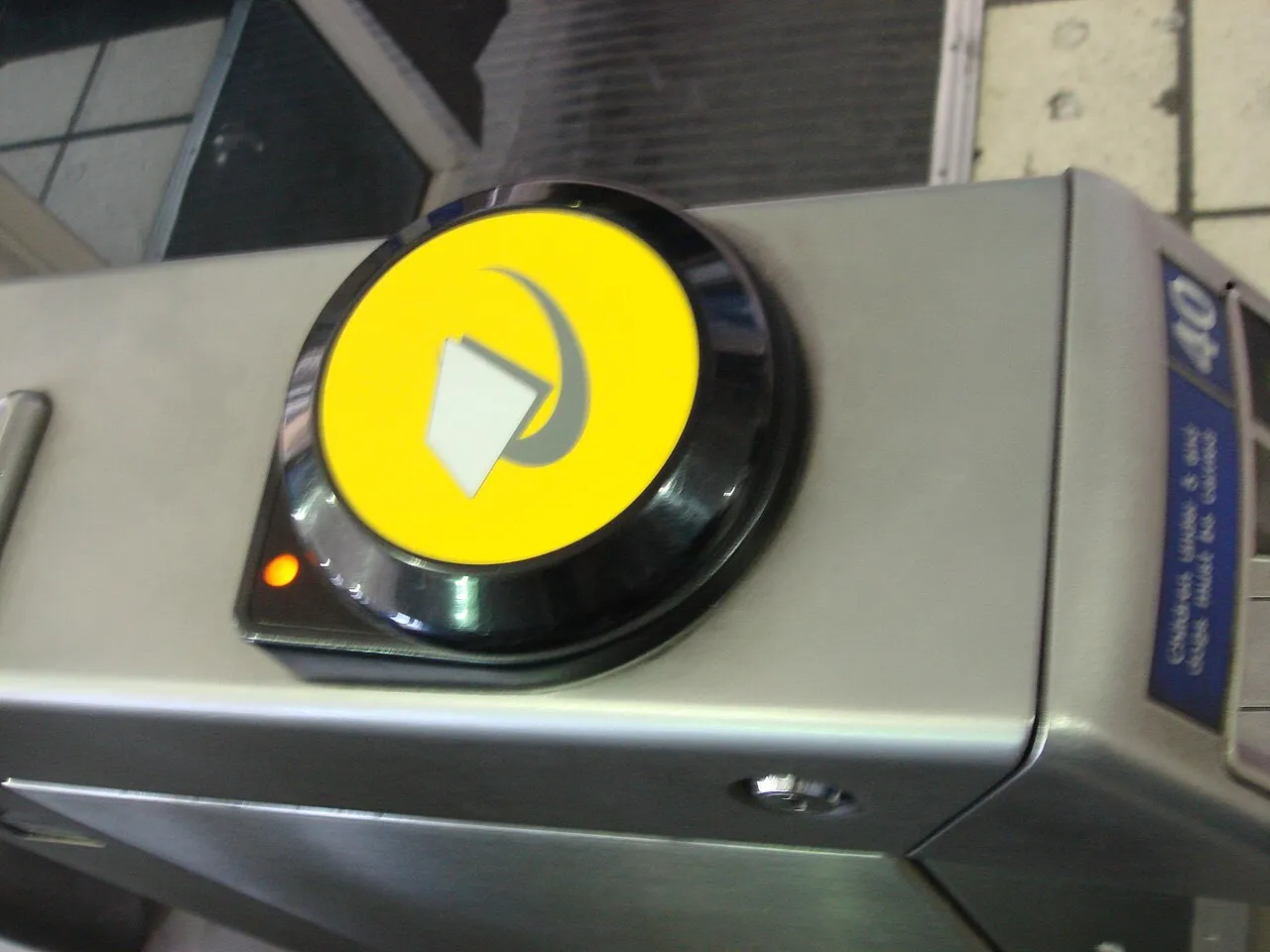
- Touch in only: Always tap your card or device on the yellow reader when boarding a bus or tram, but never touch out when alighting.
- Use the same payment method: You must use the exact same contactless card, phone, or Oyster card for every tap so TfL can automatically link your journeys.
- 60-minute window: Any additional bus or tram you board within 60 minutes of your first touch-in is automatically free.
- Tube transfers: Taking the Underground in between two bus rides does not cancel your 60-minute Hopper window (the Tube fare is charged separately, but your second bus remains free if boarded within 60 minutes of the first).
For detailed journey scenarios, read the worked examples in our bus and tram guide.
Confirmed fare rise from 1 November 2026
| Ticket or cap | Current fare | From 1 November 2026 |
|---|---|---|
| Single PAYG fare | £1.75 | £1.85 |
| Daily bus & tram cap | £5.25 | £5.55 |
| 1-Day Bus & Tram Pass | £6.00 | £6.40 |
| 7-Day Bus & Tram Pass | £24.70 | £26.10 |
The Summer 2026 Weekend Hopper trial has ended
To mark ten years of the Hopper fare, TfL ran a Weekend Hopper trial between 25 July and 31 August 2026 offering unlimited bus and tram travel across London for just £1.75 per day. It ended at 23:59 on Monday 31 August 2026 and has not been extended or made permanent — standard fares and the ordinary 60-minute Hopper rule (above) apply again.
💡 What the trial offered, for reference:
- £1.75 per day: A single £1.75 tap gave unlimited bus and tram rides all day Saturday (04:30 through 04:29 Sunday morning), and a second £1.75 tap covered all of Sunday.
- Full weekend for £3.50: Unlimited bus and tram travel across both weekend days cost £3.50 in total.
- Buses & trams only: Tube, DLR, Elizabeth line and rail journeys were billed separately.
It’s worth checking TfL nearer next summer — a trial that ran once may run again, but nothing has been announced. Read more in our bus and tram guide.
National Rail and airport rail fares
Suburban National Rail pricing inside London can be complex because train lines fall under two separate fare systems: TfL Zonal Fares (which count towards daily caps) and National Rail Operator Fares (which may carry custom rates or exclusions).
⚠️ Key Rules for National Rail & Airports:
- Oyster vs. Contactless Boundaries: Contactless payment is accepted much farther out than Oyster cards. For example, contactless is valid to Gatwick, Luton Airport Parkway, and Stansted Airport, whereas Oyster cards are NOT valid at Stansted or Luton.
- Excluded Premium Express Trains: Premium express services—such as Heathrow Express, Gatwick Express, and Southeastern High-Speed (to Ebbsfleet/Ashford)—are excluded from standard TfL daily capping and Travelcards.
To check exact pay-as-you-go rates, use TfL’s Single Fare Finder. For long-distance, return, or Railcard tickets, book via National Rail.
💡 The one case where a paper rail ticket beats contactless. If you are travelling into London on National Rail and plan to visit paid attractions, keep the ticket — it unlocks 2FOR1 entry at the Tower of London, Kew, Westminster Abbey and around a hundred other places through the Days Out Guide scheme. Contactless, Oyster, Freedom Passes and Travelcards bought at Tube stations do not qualify, and there is no way to print a TfL journey history as a substitute. This does not change how you should pay for the Tube once you are here. It just means the rail ticket you already bought is worth more than the barrier it gets you through. Full rules, the attractions that are only a third off, and the blackout dates are in our National Rail 2FOR1 guide.
Heathrow Airport Links
Heathrow has three rail options at very different prices: the Piccadilly line is the cheapest and counts towards your daily cap, the Elizabeth line is faster and also capped, and Heathrow Express is the fastest but is excluded from caps and Travelcards. Current fares, terminal breakdowns and route advice by destination are in the Heathrow Airport Transport Guide.
Gatwick Airport & Other Airport Links
- Gatwick (LGW): Compare Thameslink (serving London Bridge, Blackfriars, and St Pancras) with Southern Trains and Gatwick Express to Victoria. Thameslink is often cheaper and more convenient for Central London. Read our Gatwick Airport Transport Guide.
- Stansted & Luton: Both airports accept contactless cards, but do not accept Oyster cards.
- Complete Airport Overview: Read our London Airport Transport Overview for all six London airports.
River Bus prices
River Bus services in London are operated by Uber Boat by Thames Clippers under a separate fare structure from the Underground and buses.
⚓️ Key Rules for River Bus Fares:
- Caps & Capping: Oyster cards and contactless payments are accepted at pier gates, but river journeys do NOT count towards TfL daily or weekly caps.
- 1/3 Travelcard Discount: Presenting a valid Travelcard (or having a 7-Day Travelcard loaded on your Oyster) gives you a 33% discount on standard River Bus fares.
- Peak vs. Off-Peak Timing: Uber Boat uses a unique time schedule: weekday mornings between 06:35 and 09:27 are billed as Off-Peak, while all other times—including weekends and bank holidays—are billed as Standard/Peak.
Uber Boat Pay-As-You-Go Fares (Through 31 October 2026)
| River Zone | Off-Peak PAYG (M–F 06:35–09:27) | Standard / Peak PAYG (Weekends & Other Times) |
|---|---|---|
| Central Zone Only | £9.90 | £11.90 |
| Central + East or West | £11.40 | £13.70 |
| East or West Zone Only | £6.20 | £7.40 |
| All Zones | £19.30 | £22.90 |
| Cross-River Ferry (Short trips) | £4.10 | £4.10 |
Day Passes & Hop-On Hop-Off Tickets
An adult River Roamer 1-Day Hop-on Hop-off Pass (unlimited river travel for a full day) costs £29.30 online / in app or £32.60 at the pier. Children under 15 pay half price, and kids under 5 travel free.
For pier maps, recommended scenic river routes, and commuter tips, read our Complete Guide to London River Boats.
London Cable Car prices
The IFS Cloud Cable Car crosses the Thames between the Greenwich Peninsula (near The O2 Arena) and the Royal Docks, offering panoramic views of East London, Canary Wharf, and the river.
| Flight type | Adult price | Child price (Age 5–15) |
|---|---|---|
| One-way flight | £7.00 | £3.50 |
| Round-trip flight | £13.50 | £6.75 |
Key Cable Car Rules & Discounts
- Payment Methods: You can tap at the turnstiles using a contactless card, phone, or Oyster card.
- No Daily Capping: Cable Car rides are billed separately and do NOT count towards TfL daily or weekly caps.
- Online Booking Discount: Booking tickets in advance via the official TfL London Cable Car portal saves up to 30% off on selected dates and family tickets.
- The O2 Event Ticket Discount: If you hold a ticket for an event at The O2 Arena, presenting your show ticket at the terminal ticket office often qualifies you for a 50% discount on cable car flights (details on The O2 Cable Car travel guide).
- Commuter Multi-Pass: A 10-journey ticket is available for £19.00 (ideal for frequent commuters).
Woolwich Ferry
The Woolwich Ferry is a 100% free public ferry service crossing the Thames between Woolwich and North Woolwich for pedestrians, cyclists, and motor vehicles.
⛴️ Travel tip: Because service can be temporarily suspended due to high tides, severe weather, or vessel maintenance, always check live status on the TfL website before making a dedicated trip.
Santander Cycles (London Bike Hire)
London’s public bike-sharing scheme (Santander Cycles, fondly known as “Boris Bikes”) features over 800 docking stations across the city. You can hire bikes using a bank card at any docking station terminal or via the Santander Cycles mobile app.
| Option | Standard Bicycle | E-Bike |
|---|---|---|
| Single Ride (Up to 30 mins) | £1.65 | £3.00 |
| Day Pass (Unlimited 60-min rides) | £3.50 | £3.50 + £1 per e-bike ride |
| Monthly Membership | £20.00 / month | E-bike supplements apply |
| Annual Membership | £120.00 / year | E-bike supplements apply |
🚲 How to avoid extra charges: Dock your bike within the included time limit (30 minutes for single rides, 60 minutes per trip on a Day Pass). Once docked, you can immediately unlock another bike to continue exploring for free.
Black cabs and private hire (Taxis & Uber)
Official London Black Cabs (Metered)
Iconic London black cabs can be hailed on the street, picked up at designated taxi ranks (e.g. major train stations), or booked via apps like Gett. Fares are strictly metered based on time and distance:
- Minimum fare: £4.40 upon entering the cab.
- 1-mile journey: Approx. £8.40 – £13.20 (depending on traffic and time of day).
- 4-mile journey: Approx. £21.00 – £35.00.
- Heathrow Airport to Central London: Approx. £70.00 – £120.00.
Private Hire & Ride-Hailing (Uber, Bolt, FreeNow)
Private hire vehicles must be pre-booked through a licensed operator or app. Unlike black cabs, private hire apps show an exact upfront fare quote before you confirm your ride. Prices fluctuate dynamically based on distance, traffic demand (surge pricing), and vehicle tier.
(Visiting from abroad? Make sure your phone has mobile data for ride-hailing and transit apps with our UK Travel SIM & eSIM Guide.)
Top 10 money-saving transport tips for London
- Always use contactless or an Oyster card: Paper single tickets are a heavy tourist tax. Tapping in and out automatically calculates the cheapest fare.
- Use the exact same card or device: Tapping with your physical bank card and then using Apple Pay/Google Pay on your phone counts as two separate accounts, splitting your journey history and preventing daily capping.
- Travel off-peak when possible: Avoid peak hours (06:30–09:29 and 16:00–18:59 on weekdays) for significant savings on longer Tube and rail trips.
- Take advantage of the Hopper Fare: Board as many buses and trams as you want within 60 minutes for a single £1.75 charge.
- Tap pink route validators: When changing trains on routes that bypass Central London (Zone 1), tap the pink card readers on the platform to ensure you are charged a cheaper outer-zone fare.
- Beware of 1-Day Paper Travelcards: Paper 1-Day passes carry a £3.80–£7.30 daily penalty over contactless capping. Stick to contactless unless buying a 7-Day Travelcard for a mid-week trip.
- Use your Travelcard for river discounts: Presenting a valid Travelcard gives you a 33% discount on Uber Boat River Bus fares.
- Load Railcard discounts onto your Oyster: If you hold a UK Railcard (e.g. 16-25, 26-30, Senior, or Two Together), ask TfL station staff to link it to your Oyster card for a 34% discount on off-peak fares and daily caps.
- Compare airport transit options: Avoid assuming the airport express train is best; the Elizabeth line and Tube are frequently faster and far cheaper.
- Register children for free or half-price travel: Take advantage of TfL’s generous child travel policies outlined below.
How much do children pay on London transport?
London offers exceptionally generous discounts for families travelling with children:
| Child’s age | Tube, DLR, Overground & Elizabeth Line | Buses & Trams | Required Card / Action |
|---|---|---|---|
| Under 5 | Free | Free | No card required; walk through wide luggage gates with adult. |
| Age 5–10 | Free (up to 4 children per accompanying adult) | Free | No card required for TfL lines; use wide staffed gates together. |
| Age 11–15 (with Young Visitor Discount) | 50% off adult PAYG fares and daily caps | Free on buses | Load discount onto a Visitor Oyster card at any Tube station. |
| Age 11–15 (with Zip Oyster Photocard) | Child fares and caps | Free | Requires advance online application (mainly for UK residents). |
| Age 16–17 | Adult fare (unless holding 16+ Zip Photocard) | Adult fare | Use contactless card or adult Oyster. |
🧒 How to get the 50% Young Visitor Discount:
If you are visiting London with children aged 11–15, buy a standard Oyster card for each child. Ask a member of TfL staff at any Underground station or Visitor Centre to apply the Young Visitor Discount. The child must be present. Staff will instantly programme a 50% discount on all single fares and daily caps for up to 14 days (e.g., reducing the Zone 1–2 daily cap to just £4.45).
👴 Senior & Overseas Concessions:
Free senior travel passes (such as the 60+ London Oyster or Freedom Pass) are strictly reserved for London or UK residents. Overseas senior citizen cards, student IDs, or international disability badges are not accepted for discounts on TfL services. However, any visitor holding an eligible UK Railcard (e.g. Senior Railcard or Two Together Railcard) can link it to a physical Oyster card at a station to get 34% off off-peak fares.
Penalty fares and incomplete journeys
Travelling without a valid ticket or failing to touch in and out properly can lead to heavy extra charges:
Official Penalty Fare: £100 (or £50 if paid early)
If a TfL Revenue Protection Inspector inspects your contactless card or ticket and finds you do not have a valid fare, failed to touch in, or used an Oyster card beyond its valid zone boundary (e.g. at Stansted or Luton):
- Standard Penalty Fare: £100
- Discounted Rate: Reduced to £50 if paid within 21 days.
- (Deliberate fare evasion can result in prosecution and court fines up to £1,000).
Maximum Fare for Incomplete Journeys: Up to £9.40–£27.80
If you make an honest mistake and forget to touch out at the end of your trip (or forget to touch in at an un-gated station):
- TfL cannot calculate where you travelled and automatically charges an unresolved journey / maximum fare.
- Zones 1–6 Rail Trips: Charged up to £9.40 for that single trip (which does not count towards your daily cap).
- Outer National Rail & Airport Routes: Charged up to £27.80 (e.g. Reading, Gatwick, or Shenfield extensions).
💡 How to claim a refund for a forgotten tap:
If you forgot to tap out by accident, log into your online TfL account or call TfL customer service within 28 days to explain the error and claim a maximum fare refund.
Fares checked on 2 August 2026. Adult prices are shown unless a child or concession fare is explicitly stated. Always verify exact route fares using the TfL Single Fare Finder before travel.