In this guide
The best London itinerary is not the one with the most on it. It is the one that groups nearby places together and leaves room for queues, meals and the thing you did not plan.
The city’s famous sights are scattered across a wide area, so a plan built from a list of landmarks will send you back and forth across the centre. Grouping by geography instead of by fame is worth about two hours a day.
Choose your plan
| Time available | Guide | What it covers |
|---|---|---|
| One day | Thirteen one-day plans by interest | Pick a theme — first-timer, theatre, museums, families, food, royal, free, rainy, views, books, markets, film, or low-walking |
| Three days | Three days in London | Westminster, the Tower and South Bank, one museum district |
| Five days | Five days in London | The above, plus Greenwich by river and a full neighbourhood day |
Or build the day around a walk
Every one of these is free, mapped stop by stop, and says what is open on which day.
- Westminster — Big Ben to Trafalgar Square
- South Bank — Westminster to Tower Bridge along the river
- City of London — Bank to Tower Bridge
- Covent Garden — Seven Dials to the Piazza
- Shoreditch and Spitalfields — Brick Lane and the markets
- King’s Cross to Camden — along the Regent’s Canal
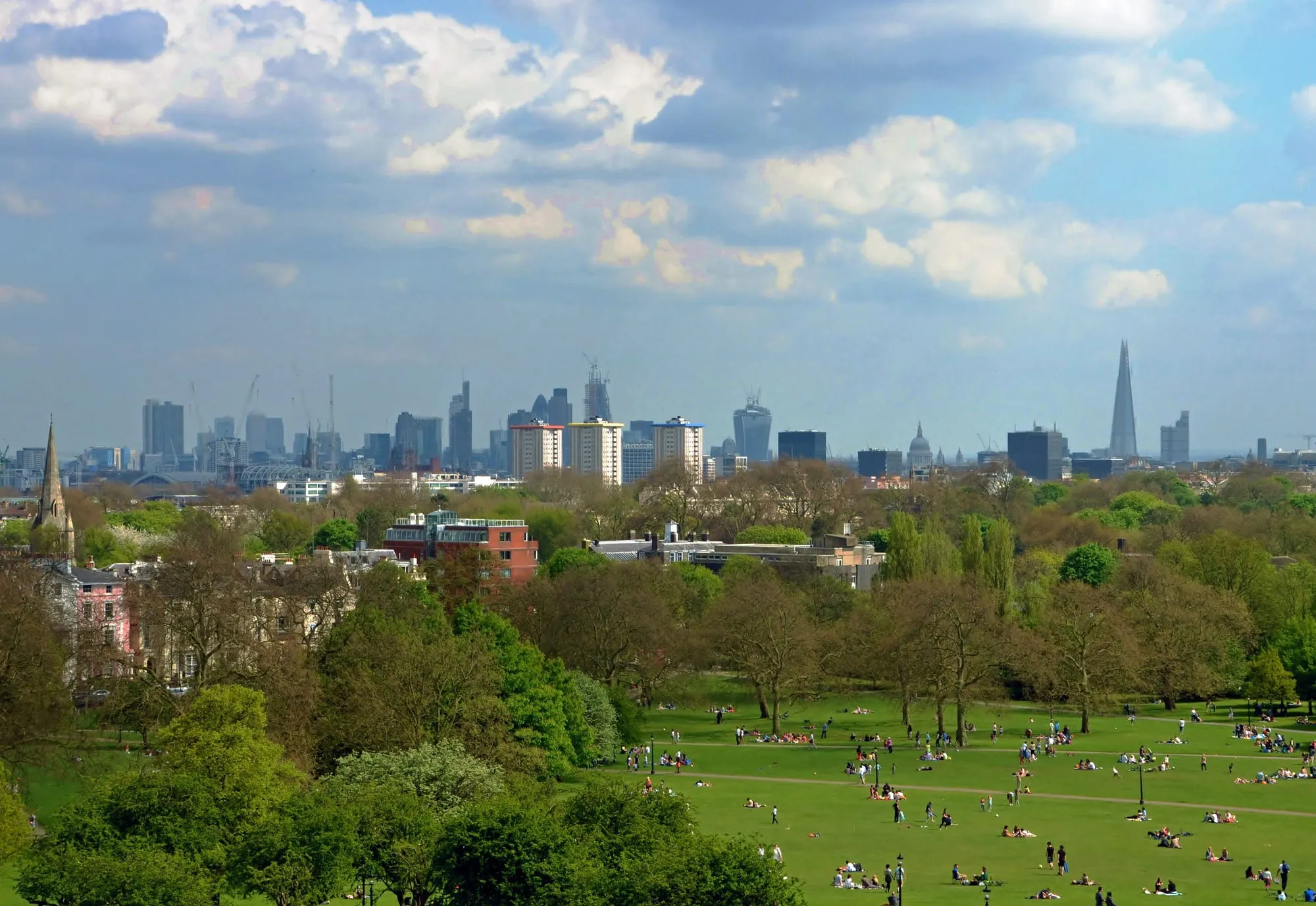
- Hampstead Heath and Primrose Hill — Kenwood and two free skyline views
- Chelsea and Belgravia — a walk between blue plaques
- Baker Street to Marylebone — through Regent’s Park to Marylebone High Street
- Fitzrovia to Mayfair — Fitzroy Square to Savile Row, the arcades and Green Park
- Wapping to Canary Wharf — four historic riverside pubs, the Ornamental Canal and Limehouse Basin
- Canary Wharf to Greenwich — under the river through the foot tunnel
How many days does London actually need?
- One day — enough for one theme done properly. Not enough for “the highlights”, and trying will cost you a third of the day underground.
- Two days — Westminster and the West End on one, the Tower and South Bank on the other. Skip the museums entirely rather than rushing them.
- Three days — the first length that covers a first visit honestly. Landmarks, river and one museum district.
- Five days — where it stops being a race. Adds Greenwich and a whole day in one neighbourhood, which is usually the day people remember.
- A week or more — now you are choosing between more London and a day trip to Windsor, Oxford or Bath. Both are defensible; doing both badly is not.
Book before you fly
Four things genuinely sell out. Everything else can wait.
| Book | How far ahead | Why |
|---|---|---|
| Tower of London | 2–3 weeks in peak season | Timed entry, and the Crown Jewels queue grows all day. Take the first slot |
| Westminster Abbey | 1–2 weeks | Timed entry, and closed to sightseers on Sundays |
| A West End show | 2–4 weeks | Direct from the theatre, not a reseller |
| Horizon 22 | Weeks ahead | Free, and the highest free viewpoint in London |
Almost everything else is free and needs no booking — the British Museum, National Gallery, Tate Modern, V&A, Natural History Museum, Science Museum and British Library all charge nothing to walk in.
Planning rules
These are the ones that hold a plan together when it meets reality.
- Group by neighbourhood, not by landmark. The single highest-value rule here.
- One timed attraction per half-day at most. Two anchors in an afternoon means watching a clock instead of a city.
- Treat meals as part of the itinerary, not an interruption. Ten minutes’ walk from any major sight halves the price and improves the food.
- Check closing days. Borough Market shuts Monday, Westminster Abbey closes to sightseers Sunday, and several museums close one day a week.
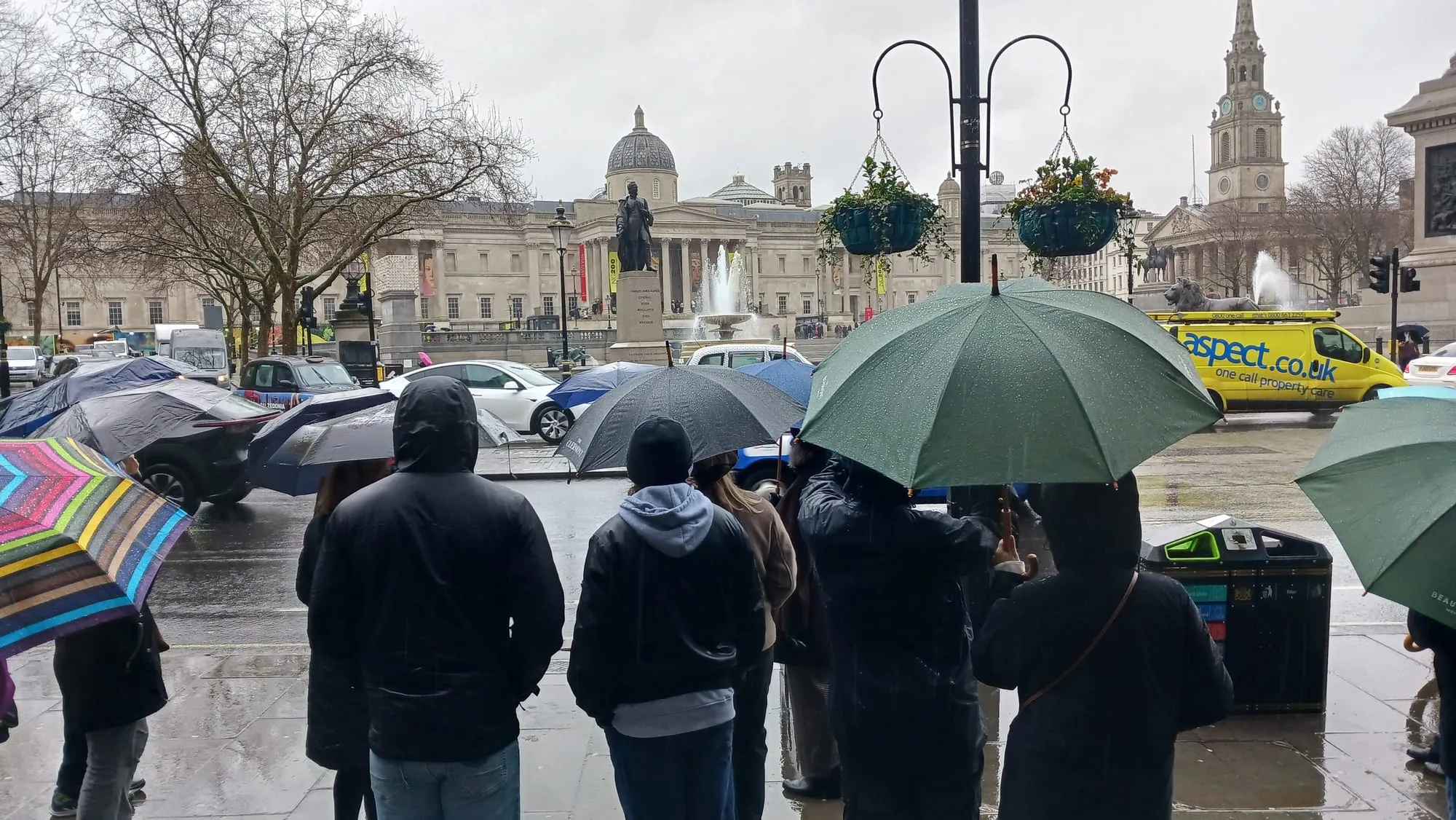
- Build a wet-weather alternative for each day. See London in the rain.
- Leave one hour a day genuinely empty. It is what absorbs a delayed train or a longer queue.
- Allow more time than the journey planner says if you are travelling with children, luggage or a step-free route.
- Do not book dinner five minutes after the previous thing ends — and never book a curtain-up an hour after a restaurant reservation.
Getting around while you do it
Most visitors need no ticket at all beyond the bank card in their pocket. Contactless taps in and out the same as an Oyster and hits the same daily cap.
- Transport costs and fares — what a day actually costs, and how the cap works
- Oyster card guide — and when you genuinely need one
- Getting around London — the overview
- River boats — the most underrated way to move, and the best approach to Greenwich
Where to base yourself
Where you sleep changes the itinerary more than anything else on this page. A central base removes an hour of travel a day.
Use the best areas guide to choose, but broadly: Covent Garden, Soho and the South Bank for walking; King’s Cross and Bloomsbury for rail links and better value.
Continue planning your London trip
- 🗓️ Three Days in London
- 🗓️ Five Days in London
- 🎯 One-Day Plans by Interest
- 🏘️ Best London Areas to Visit
- 💷 London on a Budget
- 🎪 Free Things to Do in London
Check opening days, market days and transport status before travelling — they change around public holidays.
Common questions
How many days do you need in London?
Three days covers the essentials for a first visit — Westminster, the Tower and South Bank, and one museum district. Five is where it stops feeling rushed and you get Greenwich and a full neighbourhood day. Beyond a week you are choosing between London and day trips, which is a different decision.
What is the biggest mistake in a London itinerary?
Grouping by fame instead of by geography. The famous sights are scattered, so a list-driven plan sends you across the city repeatedly. Grouping by neighbourhood removes almost all of the transport and adds hours back to the trip.
What should I book before travelling to London?
The Tower of London and Westminster Abbey both use timed entry and sell out at peak times, any popular West End show needs two to four weeks, and Horizon 22 releases free slots weeks ahead. Almost everything else, including the free museums, can be decided on the day.
Do I need a London Travelcard or Oyster card?
Usually neither. A contactless bank card taps in the same way and hits the same daily cap, so most visitors need nothing extra. See our fares guide for the exceptions.
How much walking should I plan for in London?
A well-grouped London day is four to six miles, almost all flat. That is more than most people expect and it is the reason ambitious itineraries collapse by mid-afternoon. Build in one empty hour a day.