In this guide
Most three-day London plans fail the same way: they list famous things without checking whether they sit near each other. You end up on the Tube four times a day and see the inside of Zone 1’s escalators more than its buildings.
This plan groups everything by geography. Each day is walkable end to end, and the walking times below are real. Where a stretch is long, there is a bus route given instead.
💡 The Short Version: Day 1 is Westminster and the West End on foot, ending at a show or Soho. Day 2 is the Tower, then the whole South Bank as one continuous river walk. Day 3 is one museum district — South Kensington or Bloomsbury, not both. Book the Tower, the Abbey and any show before you fly.
Book these before you leave
Four things sell out. Everything else on this plan can wait until the day.
| Book | How far ahead | Note |
|---|---|---|
| Tower of London | 2–3 weeks in peak season | Timed entry. Take the earliest slot of the day |
| Westminster Abbey | 1–2 weeks | Timed entry, and it closes to visitors on Sundays for services |
| A West End show | 2–4 weeks for anything popular | Cheaper direct from the theatre than through resellers |
| Horizon 22 | Weeks ahead — it is free and goes fast | The highest free view in London |
⚠️ Westminster Abbey is closed to sightseers on Sundays. It holds services instead, which you can attend free. If your Day 1 falls on a Sunday, swap Days 1 and 3.
Day 1: Westminster and the West End
About 4 miles, almost entirely flat, and you can cut it short at any point.
We have the Westminster half stop by stop → — eleven numbered stops with a map, a Google Maps walking link and a day-by-day breakdown of what is open, including the fact that the guard only changes on Monday, Wednesday and Friday. Use that for the daytime; the evening below picks up where it finishes.
Morning
Start at Westminster Abbey, ideally on the first entry slot. Allow 90 minutes to two hours — it is much denser than it looks, and the Poets’ Corner and Cosmati pavement are the bits people rush.
Come out into Parliament Square for the Houses of Parliament and Big Ben, then walk onto Westminster Bridge for the view back. Five minutes.
Lunch
Not on the bridge approaches, where the prices are set by people who will never return. Walk ten minutes into St James’s or ride two stops to Covent Garden. Our cheap eats guide has options near both.
Afternoon
Through St James’s Park to Buckingham Palace. About 15 minutes, and the nicest walk in central London — the bridge over the lake has the view of the palace that ends up on postcards.
Changing the Guard happens at 11am on set days, so it only fits if you skip the Abbey. It is extremely crowded. The view from the Victoria Memorial steps is the one worth having.
Down The Mall to Trafalgar Square. About 15 minutes under the plane trees, through Admiralty Arch.
The National Gallery is on the square and free. Two hours if you want it, forty minutes if you pick three rooms. Everyone is tired by now, so pick three rooms.
Evening
Covent Garden is eight minutes’ walk from Trafalgar Square. Dinner in Soho, Covent Garden or Chinatown, then a show if you booked one.
If you would rather drink than watch, our cocktail bars guide covers Soho thoroughly.
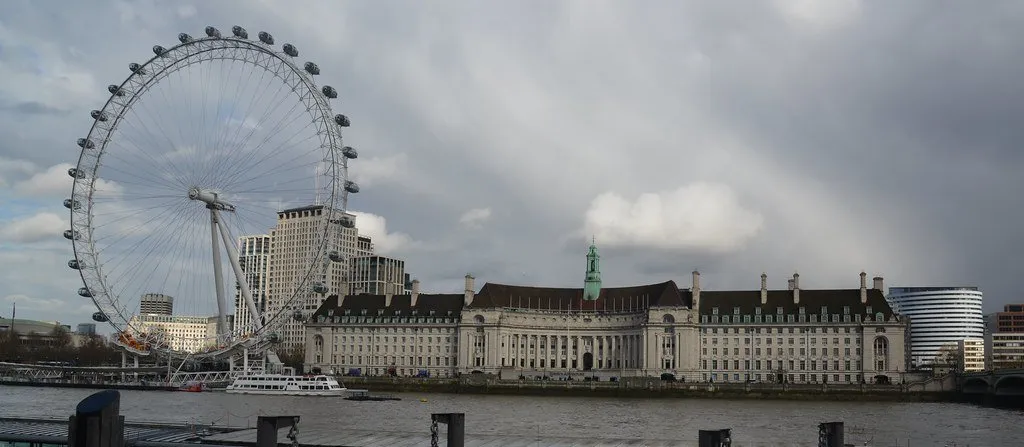
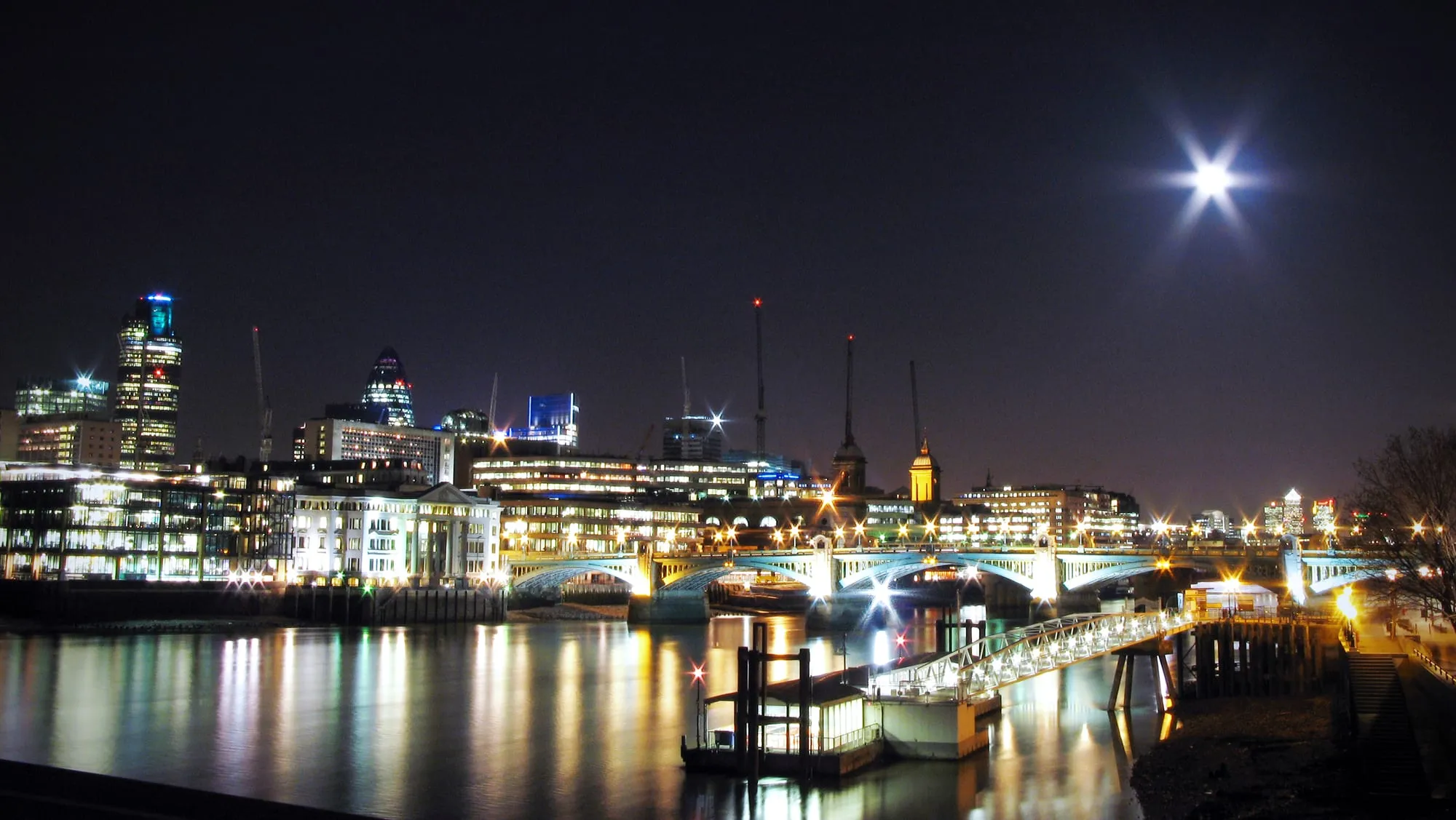
The end of day one. The South Bank walk is flat, continuous and free, and it is the stretch that makes London look like itself.
Day 2: The Tower and the whole South Bank
About 5 to 6 miles. The longest day, but it is one continuous riverside walk and you can stop anywhere.
Morning
Tower of London on the first slot. Allow two and a half to three hours — it is far bigger than people expect, and the Crown Jewels queue grows through the day. Going first thing is the single highest-value scheduling decision in this plan.
Tower Bridge is five minutes away. Walking across it is free; the glass-floor Exhibition inside is ticketed.
Lunch
Borough Market, about 15 minutes along the south bank. Closed Mondays and quietest early. See our markets guide for what to actually eat there.
Afternoon
Now just follow the river west. There is no navigation involved — the Thames Path is continuous and signposted.
- Shakespeare’s Globe — about 10 minutes from Borough Market. The reconstructed open-air theatre; tours run when there is no matinee.
- Tate Modern — 2 minutes further. Free, in a converted power station. The Turbine Hall is worth walking into even if you see nothing else.
- Millennium Bridge to St Paul’s — about 8 minutes across, for the approach the bridge was designed to frame. Looking at St Paul’s is free; climbing the dome is £27.
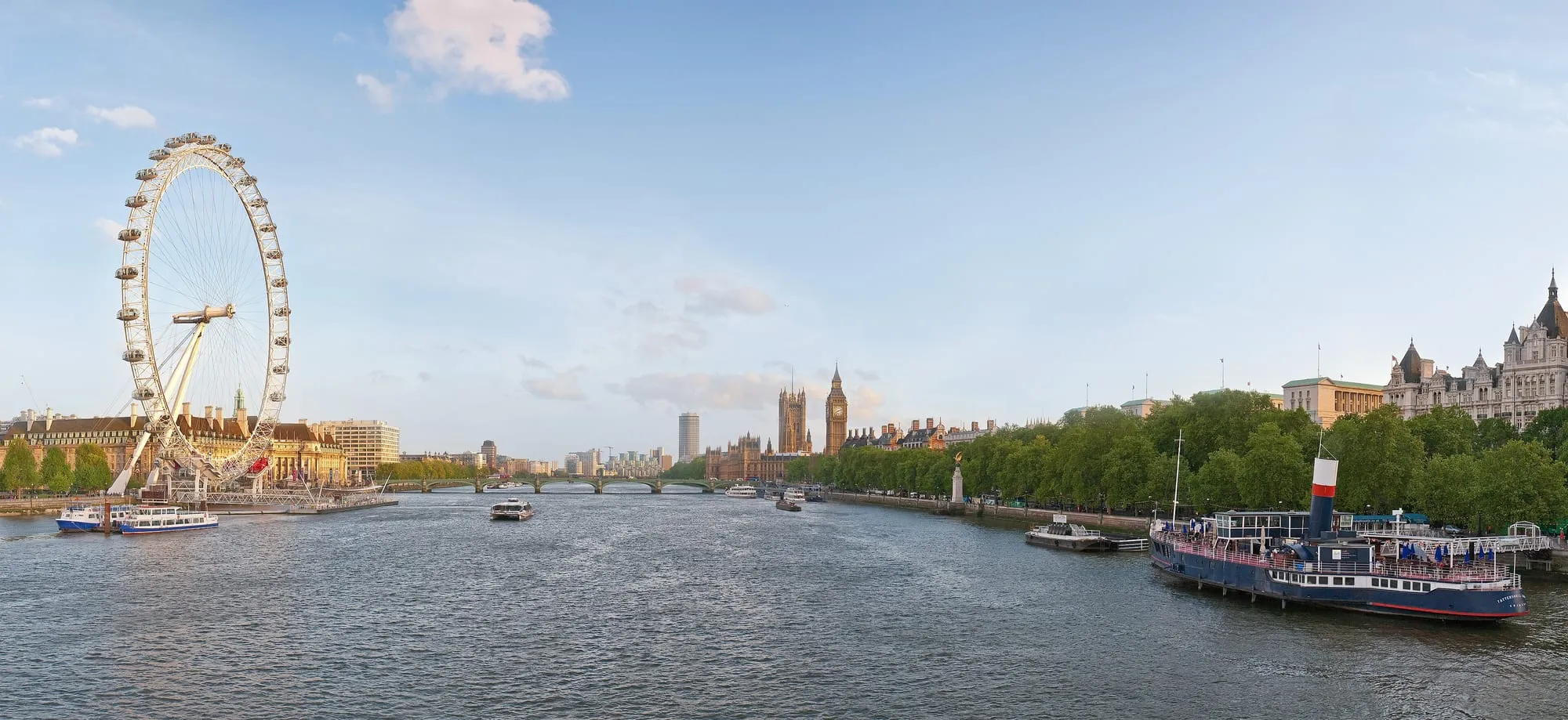
- Continue west past the National Theatre and the Southbank Centre to the London Eye — about 25 minutes from Tate Modern.
Evening
The Southbank Centre foyers have free live music most days. Otherwise dinner on the South Bank or back over the river.
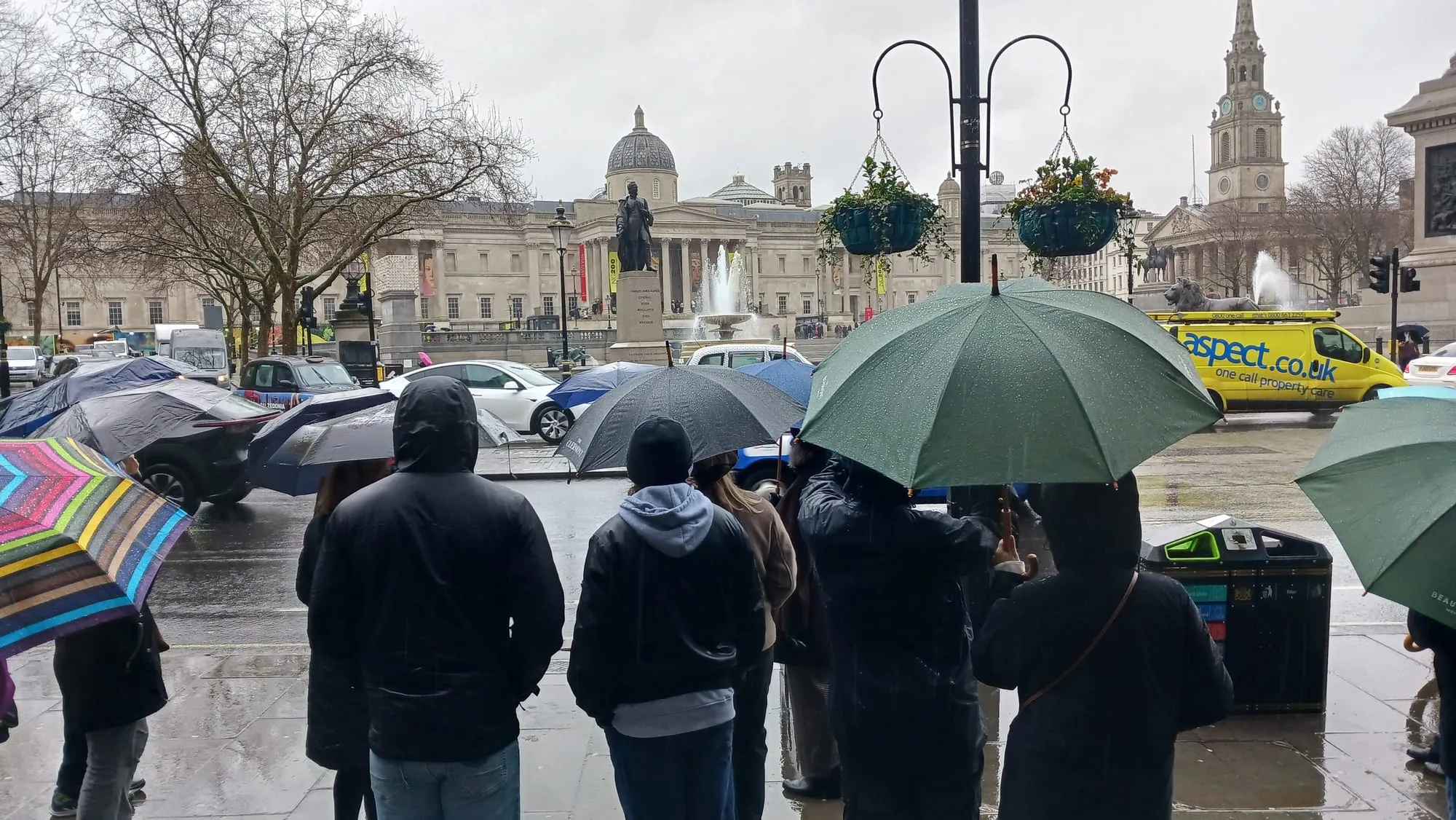
If the weather turns, this is the day to change. Tate Modern, the Globe’s indoor exhibition and Borough Market’s covered sections absorb a wet afternoon. See London in the rain.
Day 3: One museum district
Three days is exactly enough for one museum district and not two. The temptation is to do the British Museum in the morning and South Kensington in the afternoon; the result is two rushed hours in each and an hour on the Piccadilly line between them. Pick one, and give it until you are tired rather than until you have seen everything — nobody sees everything.
Pick one. Both are free, both are enormous, and doing both is how people end up seeing neither properly.
Option A — South Kensington
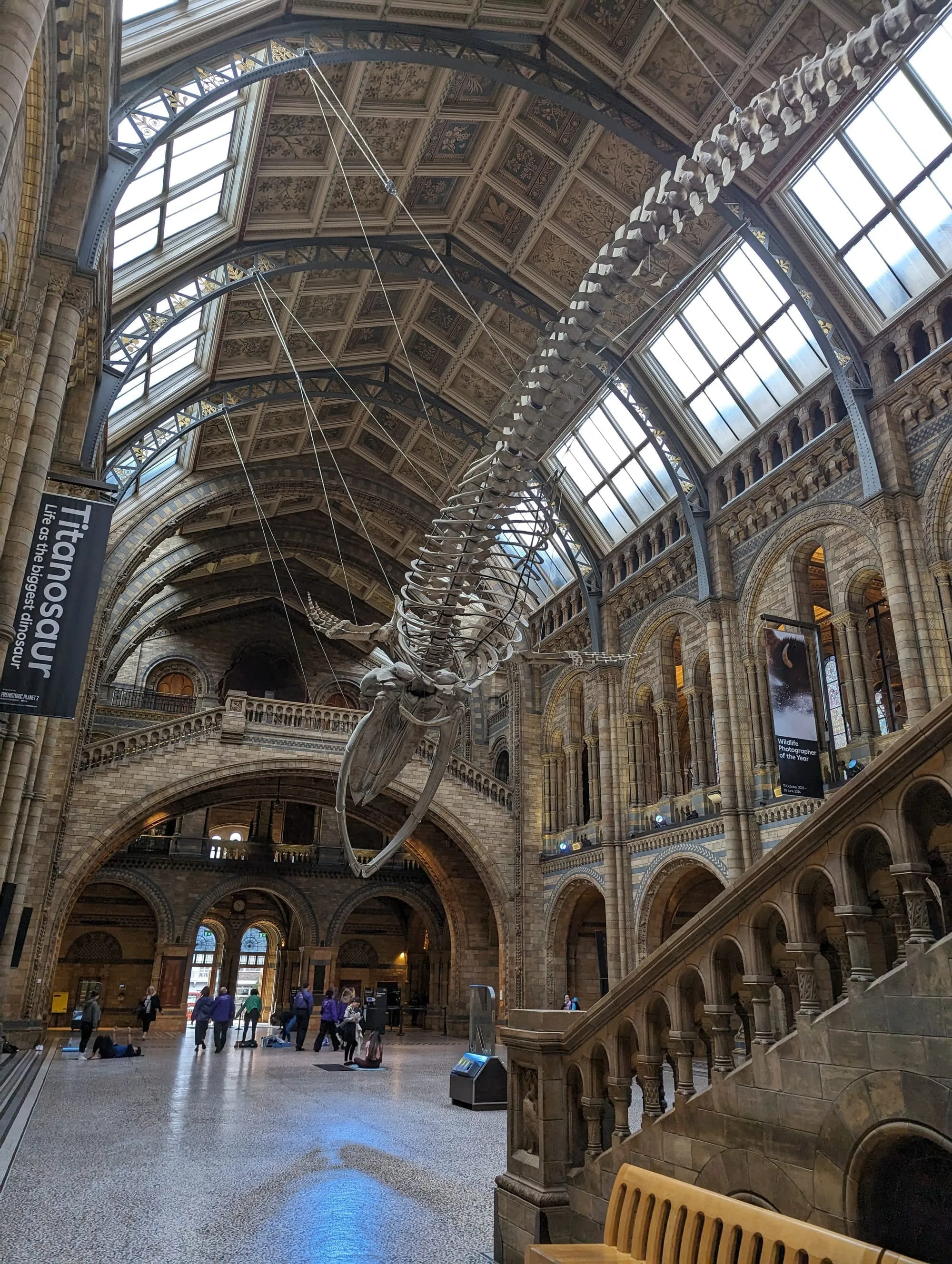
Hope, the blue whale, in the Hintze Hall. Free, and the best room in London to walk into cold.
Three world-class museums within five minutes’ walk of each other, all free.
- Natural History Museum — the UK’s most visited attraction. Go at opening; the half-term queues are the worst in London.
- V&A — 145 galleries. The one to choose if you like design, fashion or objects over specimens.
- Science Museum — the best of the three for children old enough to press things.
Choose two, not three. Then walk into Hyde Park or south to Chelsea.
Use the Exhibition Road entrances rather than the main ones — the queues are consistently shorter.
Option B — Bloomsbury
- British Museum — free, and about eight million objects of which roughly 80,000 are on display. Completeness is not available. Pick three things and leave.
- Lunch on Lamb’s Conduit Street, ten minutes north.
- British Library — free, and its Treasures gallery holds Magna Carta and the Lindisfarne Gospels in one room.
- King’s Cross and Coal Drops Yard — about 20 minutes from the British Museum, or one stop. See our King’s Cross guide.
Evening
Go back to whichever neighbourhood you liked most rather than somewhere new. Three days is enough to have a favourite.
What three days actually costs
Day 3 is nearly free. Most of the cost is Days 1 and 2.
- The museums and galleries are free — the British Museum, National Gallery, Tate Modern, V&A, Natural History Museum, Science Museum and British Library all charge nothing to enter. Only temporary exhibitions are ticketed.
- The Tower and the Abbey are the two big admissions, and both are unavoidable on a first visit if you want them at all.
- Transport: this plan is built to minimise it. A daily cap applies whichever way you travel, so tapping in with a contactless card is cheaper than a Travelcard for most visitors — see transport costs and fares.
- Free views beat paid ones: Horizon 22 is the highest free viewpoint in London, and the Sky Garden is free with booking. Neither costs what the London Eye does. Our views guide compares them all.
- Free things generally — see free things to do.
What to leave out, and why
Greenwich, Camden, Notting Hill and Windsor are all worth doing, and none of them fits. Each costs an hour of travel from central London round trip, and three days does not have three spare hours.
If one of them matters more to you than the plan above, swap it for Day 3 rather than squeezing it in — Greenwich in particular works better as a full day by river than as an afternoon.
Add them on a longer trip: see five days in London.
Common mistakes
- Booking the Tower for the afternoon. The Crown Jewels queue builds all day. First slot or don’t bother.
- Doing all three South Kensington museums. Two is the maximum anyone enjoys.
- Eating beside the sights. Ten minutes’ walk in any direction halves the price and doubles the quality.
- Planning Westminster Abbey on a Sunday. It is closed to sightseers.
- Booking dinner too close to curtain-up. Give it two hours, and tell the restaurant the curtain time.
- Buying a Travelcard by reflex. Contactless with the daily cap is usually cheaper. See the Oyster guide.
- Treating the river as an obstacle. On Day 2 it is the route.
Where to stay for this plan
Zone 1 is not the answer. You pay a premium for a postcode you will walk out of every morning anyway. What matters is a direct line to the middle and a station you can walk back to at midnight.
The best value on this plan is anywhere on the Jubilee line between London Bridge and Canary Wharf, or Zone 2 north on the Victoria line — Highbury, Finsbury Park — both fifteen minutes from the centre for materially less money.
What actually costs you money is the airport transfer at each end, so check that before you book a bargain in Zone 4.
For maximum walking, base yourself in Covent Garden, Soho or the South Bank — all three put Days 1 and 2 on your doorstep.
For rail convenience and better value, King’s Cross or Bloomsbury, which also sets up Day 3 Option B.
Continue planning your London trip
- 🗓️ Five Days in London
- 🎯 One-Day Plans by Interest
- 🏘️ Best London Areas to Visit
- 🚇 Getting Around London
- 👀 The Best Views in London
- 🎪 Free Things to Do in London
Check attraction availability, ceremonies and transport status before travelling. Opening days change around public holidays.
Common questions
Is three days enough for London?
For a first visit, yes — three days covers Westminster, the Tower, the South Bank and one museum district properly. It is not enough for Greenwich, Camden, Notting Hill and Windsor as well. Trying to add them produces more transport than experience.
What should I book before arriving in London?
The Tower of London and Westminster Abbey both sell timed entry and both run out at peak times. Any West End show worth seeing books up. Horizon 22, which is free, releases slots weeks ahead. Everything else on this plan can be decided on the day.
How much walking is in a three-day London itinerary?
This plan averages four to six miles a day, most of it flat. Day 2 is the longest because the South Bank walk is continuous. Every stretch here has a bus or Tube alternative, and the individual walks are rarely more than twenty minutes.
What is the best order to see London in three days?
Group by geography, not by fame. Westminster and the West End sit together, the Tower and the South Bank sit together, and the museums cluster in either South Kensington or Bloomsbury. Doing it this way removes almost all cross-city transport.
Which London museums are free?
The British Museum, the National Gallery, Tate Modern, the V&A, the Natural History Museum, the Science Museum and the British Library are all free to enter. Only their temporary exhibitions charge. That makes Day 3 of this plan close to free.