In this guide
London’s crime figures are public, updated monthly, and searchable by street. So is the advice the US and Canadian governments give their own citizens about visiting. Neither deals in reassurance or alarm — both just publish numbers. Here’s what those numbers actually say, what happens to visitors specifically, the scams aimed at them, and exactly who to call if something goes wrong.
💡 The Short Version: The US State Department rates the UK Level 2 of 4: Exercise Increased Caution, over terrorism, not street crime (reissued 8 May 2025). Canada’s government sets the same second-of-four tier and separately notes that cellphone theft is common in certain tourist areas of London (updated 9 September 2026). The Metropolitan Police’s own figures show phone theft down 15.6% and robbery down 12.8% in 2026 — but theft from the person still concentrates hard around the West End: 963 thefts within a mile of Oxford Circus and 871 near Leicester Square in July 2026 alone, against 148 around Camden Town. Only ever book a minicab in advance; an unbooked one is illegal, not just unwise. For an emergency call 999 or 112; otherwise it’s 101 for police, NHS 111 for health, and a text to 61016 for British Transport Police on the rail and Tube network.
The honest answer, in numbers
Nationally, the Crime Survey for England and Wales — which asks people about their own experience rather than counting police reports — estimated 9.6 million offences in the year to March 2026, no statistically significant change on the year before, according to the Office for National Statistics, published 23 July 2026. That covers the whole of England and Wales; the ONS doesn’t publish a directly comparable survey figure for London on its own.
The Metropolitan Police’s own recorded-crime figures, which do count police reports rather than survey answers, show a clear recent direction in exactly the offences that affect visitors. Announcing the results of an operation against phone-snatching gangs on 10 September 2026, the Met said theft of personal items and mobile phones had fallen 15.6% in 2026, with robbery down 12.8%. Detective Superintendent Gareth Gilbert, who led the operation, put it this way: “Our approach is working, with neighbourhood crime down 14 per cent over the past year and 13,000 fewer phone thefts.”
Foreign governments assess the UK on a separate scale of their own, and it’s a terrorism assessment rather than a street-crime one:
| Government | Rating | Date | Says |
|---|---|---|---|
| US State Department | Level 2 of 4: Exercise Increased Caution | Reissued 8 May 2025 | “Exercise increased caution in the United Kingdom due to terrorism.” |
| Government of Canada | 2nd of 4 levels: exercise a high degree of caution | Updated 9 September 2026 | “Exercise a high degree of caution in the United Kingdom due to the threat of terrorism.” |
Both governments use a four-level scale running from routine precautions up to avoiding all travel, and both currently put the UK on the second rung of it, one step above normal precautions. Neither rating is about theft, scams or violent crime; both name terrorism specifically as the reason.
What actually happens to visitors
The offence that actually touches visitors is theft, overwhelmingly of phones, and it’s concentrated where visitors are.
A Metropolitan Police operation against the gangs behind it, announced 10 September 2026, targeted thieves who use e-bikes and mopeds to snatch phones and outrun pursuit on foot. Based in Westminster and run over the five months to July 2026, it made 187 arrests and seized 157 vehicles. The Met named its hotspots directly: “areas such as Lambeth and Southwark and key tourist and transport hubs including Waterloo and London Bridge,” where e-bike-related crime fell 22% during the operation. Separately, the force has seized more than 2,500 illegal or modified e-bikes and e-scooters so far in 2026, and expanded its fleet of high-powered pursuit e-bikes from 5 to 25 to chase down offenders who use them.
Police.uk’s street-level crime data — free to query by location and month, no account needed — shows how concentrated the risk is. In July 2026, the most recent month published, here’s what was recorded within a mile of three London points:
| Area | Thefts from the person, July 2026 (within a mile) |
|---|---|
| Oxford Circus | 963 |
| Leicester Square / West End | 871 |
| Camden Town | 148 |
Robbery — theft involving force or the threat of it — is far rarer than straightforward theft: the same data recorded 139 robberies within a mile of Leicester Square over the same month, against 871 thefts from the person, a ratio of roughly six to one. Most of what happens to visitors is a phone or a bag disappearing from a hand or a pocket, not a confrontation. Canada’s government travel advice makes the same point in its own words: “Cellphone theft is common in certain tourist areas of London.”
Keep a phone in a pocket you can feel rather than a bag’s outer pocket or a café tabletop, and treat the crush around Oxford Street, Leicester Square and the South Bank the way the data suggests: as the places to hold onto it hardest.
Common scams aimed at visitors
Rogue minicabs. A driver who approaches you outside a club or station, or a bouncer who “gets you a cab,” isn’t offering a legitimate service. See Getting home at night, below, for exactly how to book one that is.
Fake and unofficial ticket sellers. Buy from the venue’s own box office, its official website or an authorised resale site; a ticket from anyone else may not get you in. Report suspected ticket or event fraud to Report Fraud, run by the City of London Police, which replaced Action Fraud as the national fraud-reporting service on 4 December 2025.
Distraction scams — a street game, a spilled drink, a clipboard petition — work the same crowded tourist streets that phone thieves do. The advice is the same as for pickpocketing anywhere: keep bags zipped and in front of you, and don’t let a stranger’s request be the reason you take your eyes off your belongings.
Card and phone scams. Our money in London guide covers card safety in full, including the “dynamic currency conversion” trap at a card machine or cash machine and the card-clash risk on Tube and bus readers. The same instinct protects your phone: a request for a banking code by text, call or email is a scam whoever it claims to be from.
Getting home at night
Two ways of getting into a car in London are safe: hail a licensed black cab, or book a minicab in advance. TfL’s rules are specific about both.
Black taxis — the ones with the orange “TAXI” light — are the only vehicles that can be hailed on the street or picked up at a rank without a booking; London has more than 600 ranks. They can also be booked by phone or app, and every one takes cards.
Minicabs must be booked in advance — by phone, by app, or in person at a licensed operator’s office — never hailed and never accepted from someone who approaches you first. A genuine booking confirmation, sent by text, app, email or paper receipt, gives you at minimum the vehicle’s number plate, the driver’s first name, their private hire licence number and a photo of the driver. Every TfL-licensed minicab driver has been through a police background check, and the booking creates a record of the journey, the driver and the vehicle.
⚠️ An unbooked minicab is illegal, not just unwise. TfL’s own description: “Unbooked minicabs are not only dangerous - they’re illegal and uninsured for passengers. If there’s no booking, there’s no record of your journey in case there are any problems.” That covers a driver touting for business directly, one who approaches you, and one a bouncer or doorman sends you to. If the car or driver that turns up doesn’t match your booking confirmation, don’t get in.
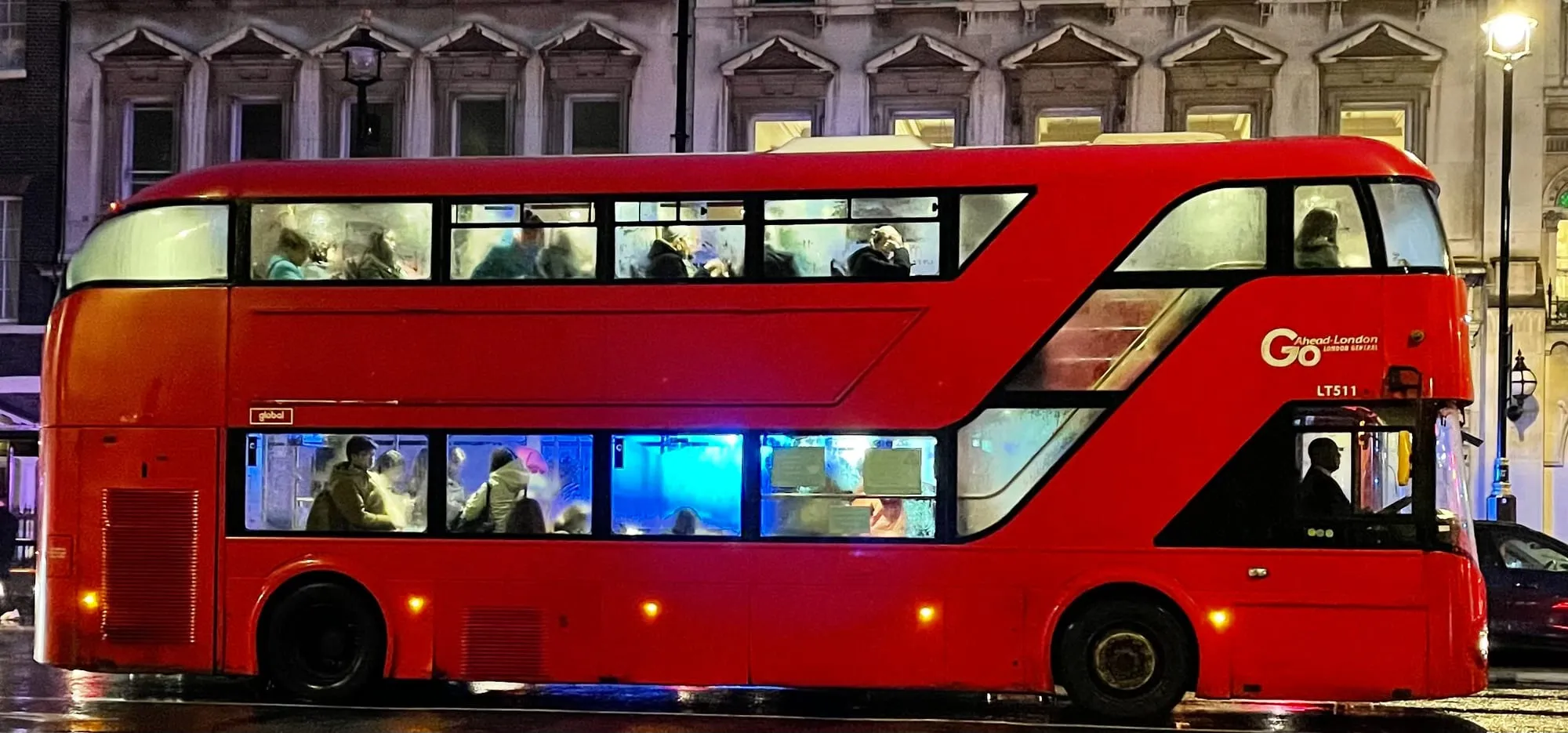
Night Tube and Night Overground trains run Fridays and Saturdays only, on the core central lines; on other nights, the last scheduled train is the way home. Every Tube, Elizabeth line and London Overground station is staffed from the first train to the last. DLR stations are unstaffed, but every DLR train carries a member of staff, and travel support and enforcement officers patrol the wider network at night. Night buses run right through the night, every night, and every bus carries CCTV.
To report an incident on a taxi or minicab journey specifically: dial 999 in an emergency, use TfL’s online safety incident report form, or call TfL’s taxi and private hire team on 0343 222 4000 (Monday to Friday, 9am–5pm; call charges may apply).
Who to call, and when
| Contact | When |
|---|---|
| 999 or 112 | A genuine emergency — a crime in progress, fire, or a threat to life. 112 is the pan-European equivalent to 999 and works the same way. |
| 101 | Police, non-emergency — a crime has happened but nobody is in immediate danger. |
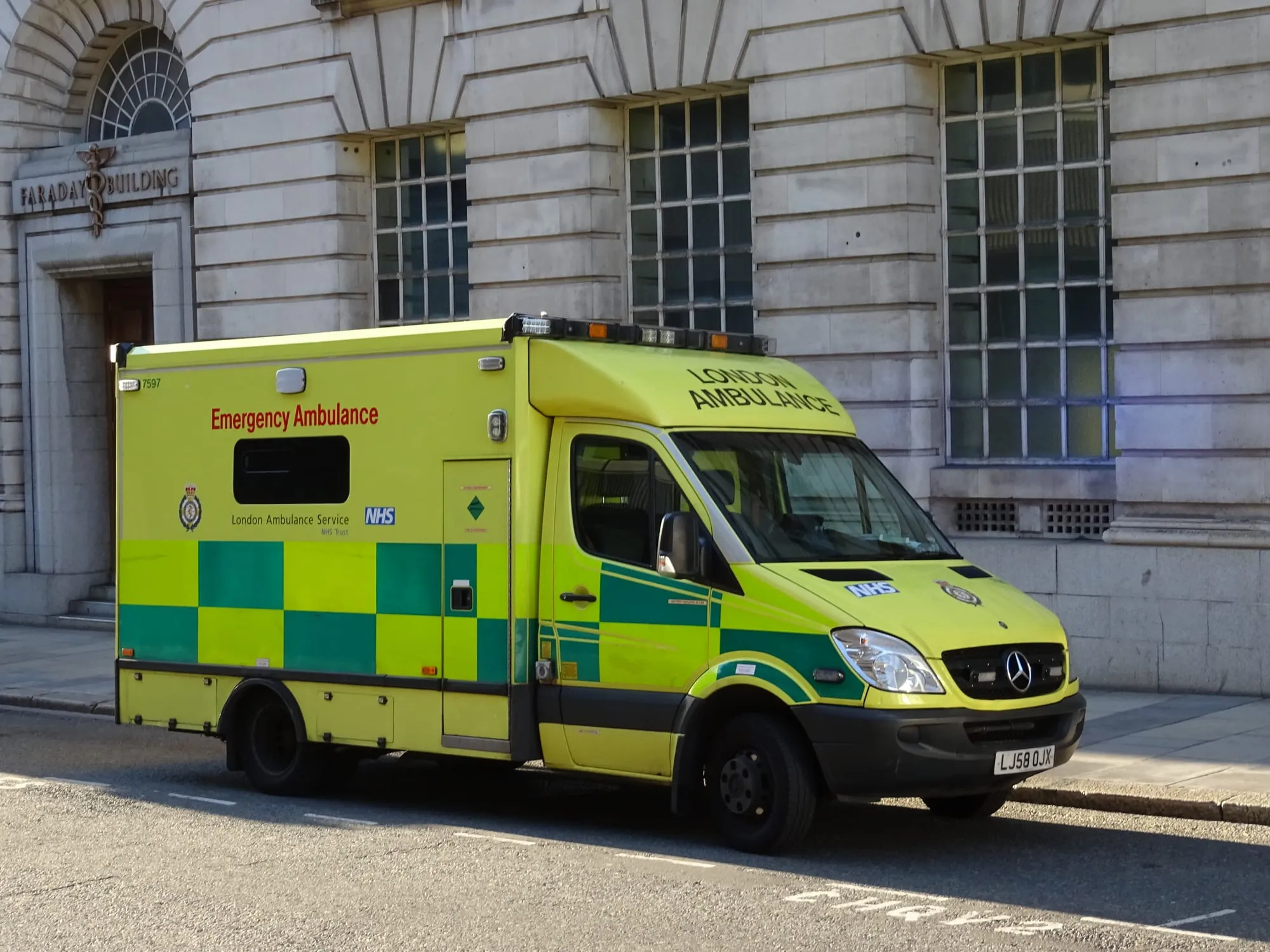
| NHS 111 | Illness or injury that isn’t a 999 emergency, including when a GP would otherwise be closed. Call, or use 111 online. Our healthcare for visitors guide covers what treatment actually costs. |
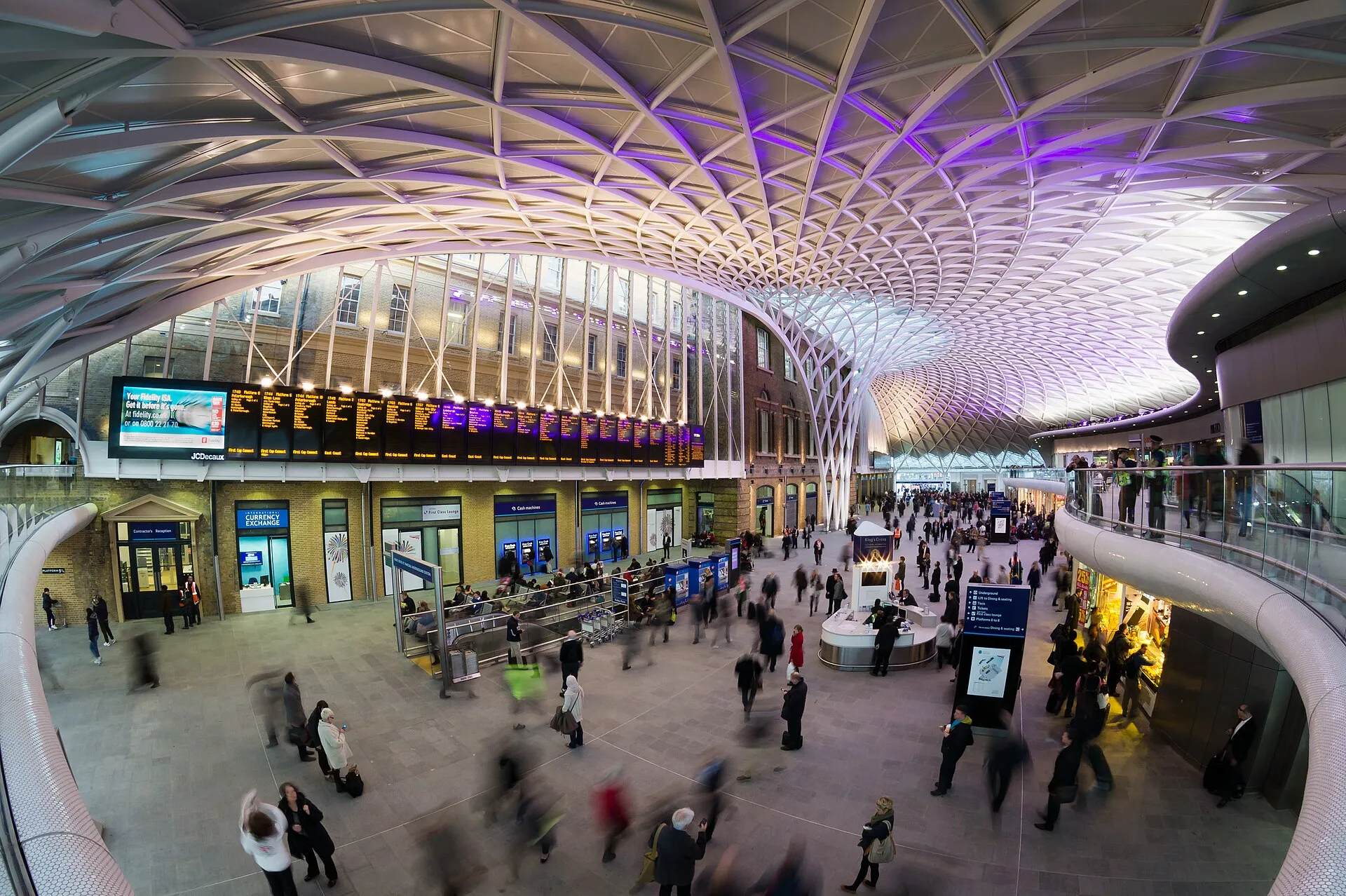
| Text 61016, or call 0800 40 50 40 | British Transport Police, for anything non-emergency on a train, the Tube, the DLR or at a station. The text service runs around the clock and is discreet. |
| TfL online report / 0343 222 4000 | An incident on a bus, Tube, taxi or minicab journey specifically. |
| TfL Lost Property | Left something on a bus, Tube, DLR or Overground train. TfL’s Lost Property Office searches items handed in; an admin fee applies once an item is sent to them for processing and storage. |
| Your embassy or consulate | A lost passport, an arrest, or a death abroad. GOV.UK publishes the current list of foreign embassies and consular offices in the UK. |
Continue planning your London trip
- 💳 Money in London — card safety, cash machines, and the currency-conversion trap at the till
- 🚇 How to Use the London Underground — reading the map, the etiquette, and standing on the right
- 🚌 Getting Around London: The Transport Guide — every mode compared, fares and all
- 🌙 Late-Night Eating in London — where to eat after the kitchens elsewhere have shut
- 🛂 The UK ETA Guide — the £20 permit to sort before you fly, not after you land
- 📱 Travel SIM and eSIM Guide — mobile data sorted before you land, so you’re never without a way to call for help
- 🏥 Healthcare in London for Visitors — NHS, A&E and what treatment actually costs
Figures and quotes in this guide are from the Metropolitan Police, the Office for National Statistics, police.uk’s street-level crime data, Transport for London, GOV.UK, and the official travel advice of the US State Department and the Government of Canada, checked 17 September 2026. Crime figures, advisory levels and contact details change; check the source directly for anything urgent.
Common questions
Is London safe for tourists?
By the numbers the US and Canadian governments use for their own citizens, yes with normal caution: both currently rate the UK at the second of four levels on their travel-advice scales, a notch above routine precautions, and both say that rating is about terrorism, not street crime. The Metropolitan Police's own count shows the offences that hit visitors hardest falling — theft of phones and personal items down 15.6% and robbery down 12.8% in 2026 — though theft from the person is still heavily concentrated in a few well-known tourist areas.
What crime should visitors in London actually worry about?
Theft, not violence, and mostly phones. Police.uk's street-level data recorded 963 thefts from the person within a mile of Oxford Circus and 871 within a mile of Leicester Square in July 2026 alone, against 139 robberies in the same radius around Leicester Square — theft from a hand or pocket outnumbers robbery by roughly six to one there. Canada's government travel advice makes the same point directly: cellphone theft is common in certain tourist areas of London.
Is the London Underground safe at night?
Every Tube, Elizabeth line and London Overground station is staffed from the first train to the last, and TfL runs travel support and enforcement officers on the network at night. Night Tube and Night Overground services run Fridays and Saturdays only; on other nights, plan around the last scheduled train. DLR stations are unstaffed, but every DLR train carries a member of staff.
Are minicabs safe in London?
Only if you book one in advance, by phone, by app, or in person at a licensed operator's office. TfL is explicit that an unbooked minicab — one you hail, one whose driver approaches you, or one a bouncer sends you to — is illegal and uninsured for passengers, on top of the safety risk. A genuine booking confirmation gives you the vehicle's number plate, the driver's first name and their private hire licence number; if the car or driver that arrives doesn't match, don't get in.
What number do I call for the police in London if it's not an emergency?
101. That's the Metropolitan Police's own non-emergency number. Dial 999, or the pan-European 112, only for a genuine emergency — a crime in progress, or a threat to life.
Does the UK have a high terrorism risk for tourists?
Both the US State Department and the Government of Canada currently place the UK at the second of four levels on their travel-advisory scales — Exercise Increased Caution and Exercise a high degree of caution respectively — and both attribute that rating specifically to the threat of terrorism, not to street crime or scams. The US advisory was last reissued 8 May 2025; Canada's was last updated 9 September 2026.
How do I report something on the Tube or a train?
Text British Transport Police on 61016, free and discreet, for anything non-emergency happening on a train, the Tube, the DLR or at a station — it runs around the clock. You can also call BTP on 0800 40 50 40. For a genuine emergency, always call 999.