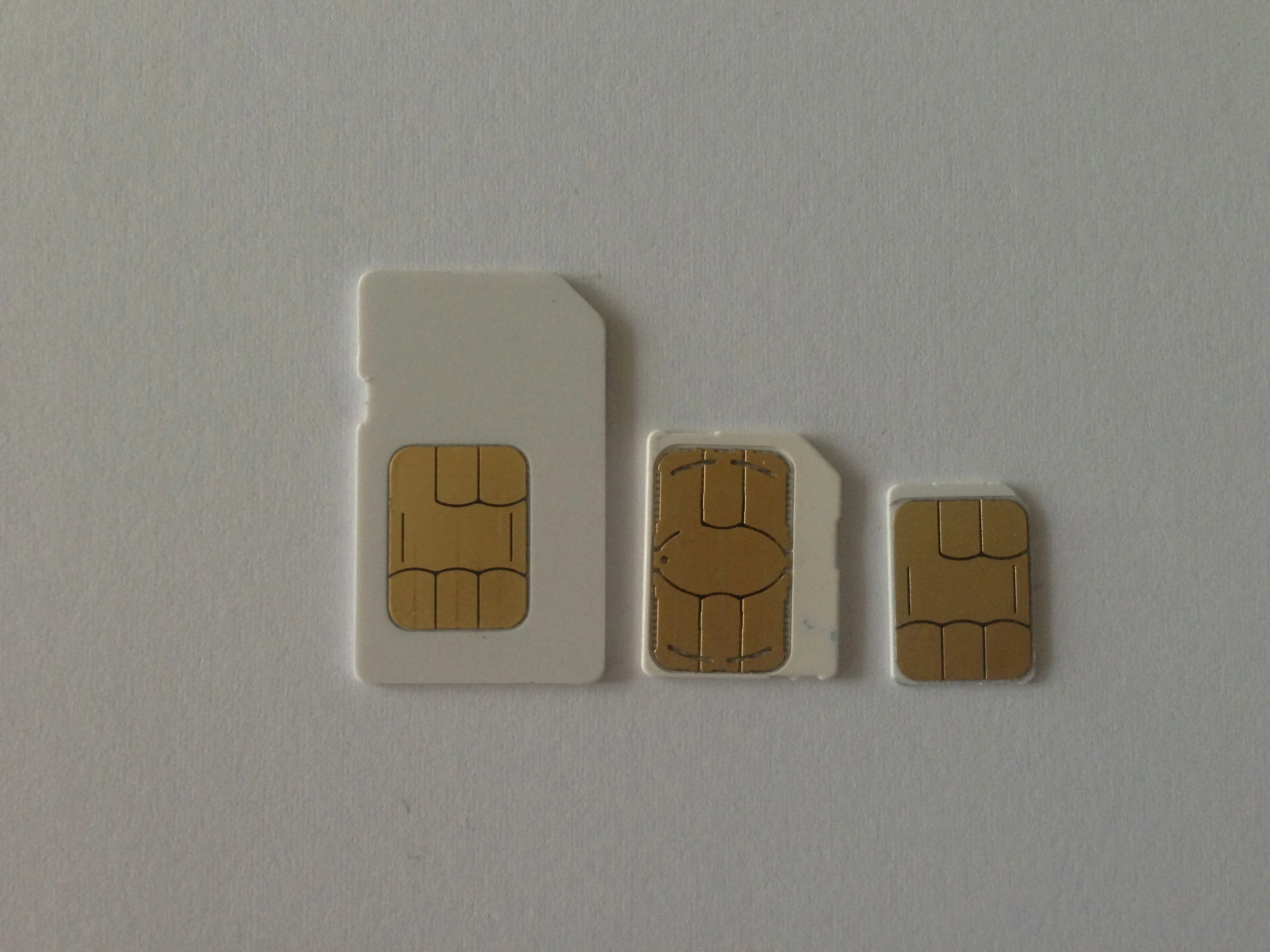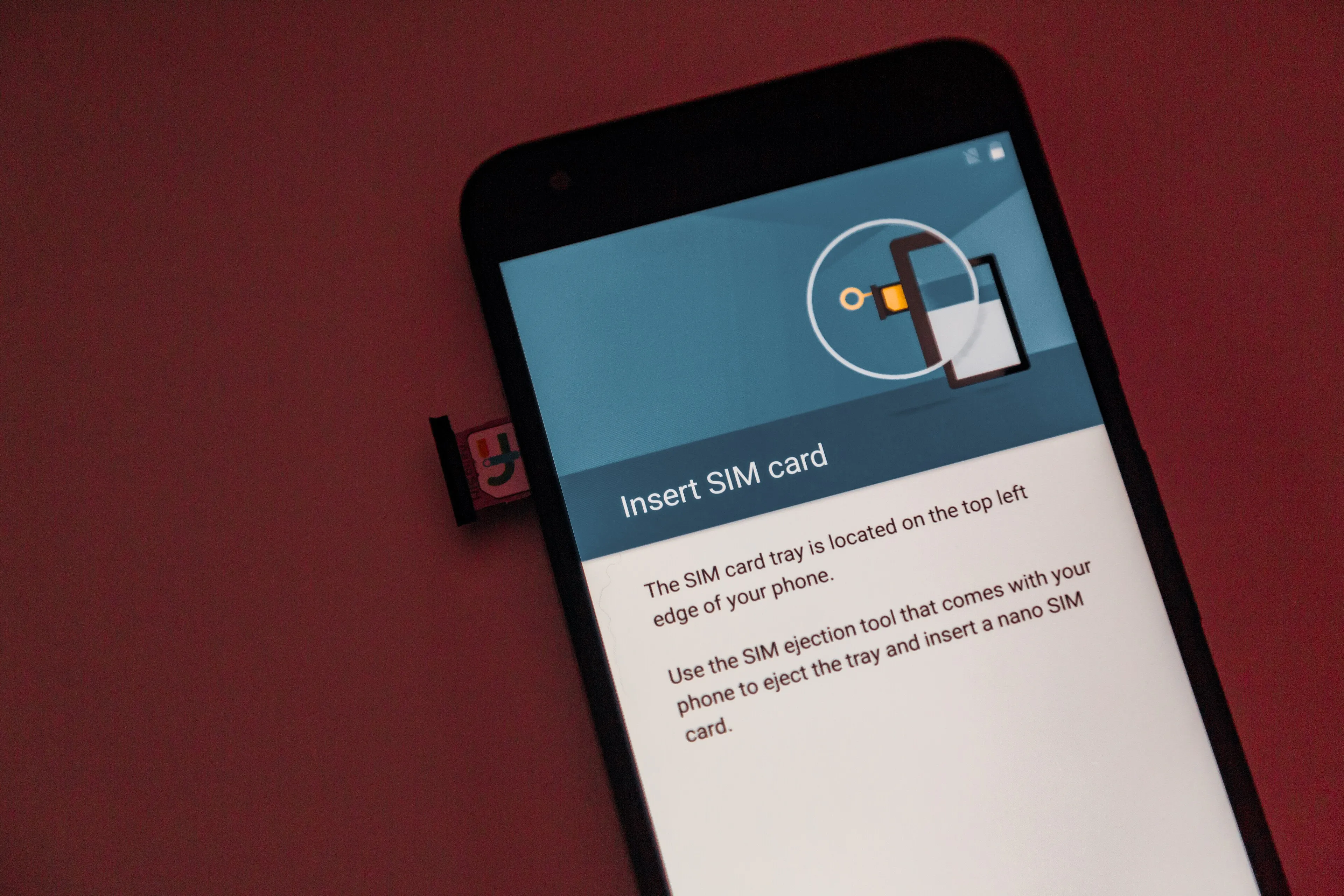
In this guide
This is the starting point for staying connected while travelling. The guides explain the technology and decisions without assuming that one provider is always cheapest.
Start here: read the complete beginner’s guide, then estimate your data requirement before comparing a travel eSIM, local SIM and home-network roaming.
Core guides
| Guide | What it helps you decide |
|---|---|
| Travel SIM Cards and eSIMs: Beginner’s Guide | Understand roaming, travel eSIMs, local SIMs, compatibility and safe setup |
| eSIM vs Physical SIM | Choose the correct format for your phone and trip |
| How Much Mobile Data Do You Need? | Select a realistic allowance for maps, social media, video and hotspots |
| Should You Buy a SIM Card at the Airport? | Compare airport convenience with eSIMs and local-network shops |
A simple decision
- Check whether your home plan already includes the destination.
- Confirm that the exact phone model is unlocked and supports eSIM.
- Decide whether you need a local number or data only.
- Estimate the data allowance.
- Compare validity, coverage, high-speed limits, hotspot use and support.
- Install before departure when possible, but do not activate early if validity begins immediately.
Planned destination guides
Future destination articles can use the same comparison structure:
- UK and London SIM cards for visitors;
- European multi-country eSIMs;
- USA and Canada;
- Japan;
- Thailand;
- Australia;
- Turkey;
- Dubai and the UAE.
Prices and provider rankings belong in these destination guides because they change much faster than the general advice.
Airport connectivity
The airport SIM-buying guide links to all six London airport transport articles. It explains how airport Wi-Fi can bridge the journey while you compare mobile plans rather than making a rushed purchase in arrivals.
Hub updated on 28 July 2026. Provider-specific offers will be checked separately in each future destination guide.