In this guide
An eSIM and a physical SIM perform the same fundamental job: they identify your subscription to a mobile network. The meaningful travel differences are how you obtain them, whether your phone supports them and what the selected plan includes.
The short version: choose an eSIM for convenience and installation before arrival. Choose a local physical SIM when your phone lacks eSIM, you need a local number, or the local network sells a substantially better package. Coverage is determined by the underlying network—not by whether the SIM is digital or plastic.
Direct comparison
| Question | Travel eSIM | Physical local SIM |
|---|---|---|
| Can you arrange it before flying? | Usually yes | Usually not, unless delivered |
| Does it require compatible hardware? | Yes | Requires the correct SIM slot |
| Must the phone be unlocked? | Normally yes | Normally yes |
| Can you keep the home SIM installed? | Usually, on dual-SIM phones | Only if the phone has another active SIM/eSIM position |
| Does it include a local number? | Often no | Commonly, but not guaranteed |
| Is identity registration required? | Depends on country and plan | Depends on country |
| Can it be moved to another phone? | Provider-dependent and sometimes difficult | Usually easier if the second phone accepts it |
| Is airport help available? | Usually remote support | A staffed shop may help |
When eSIM is better
An eSIM is particularly useful when:
- you want data immediately after landing;
- the trip visits several countries;
- you need to keep the physical home SIM in the phone;
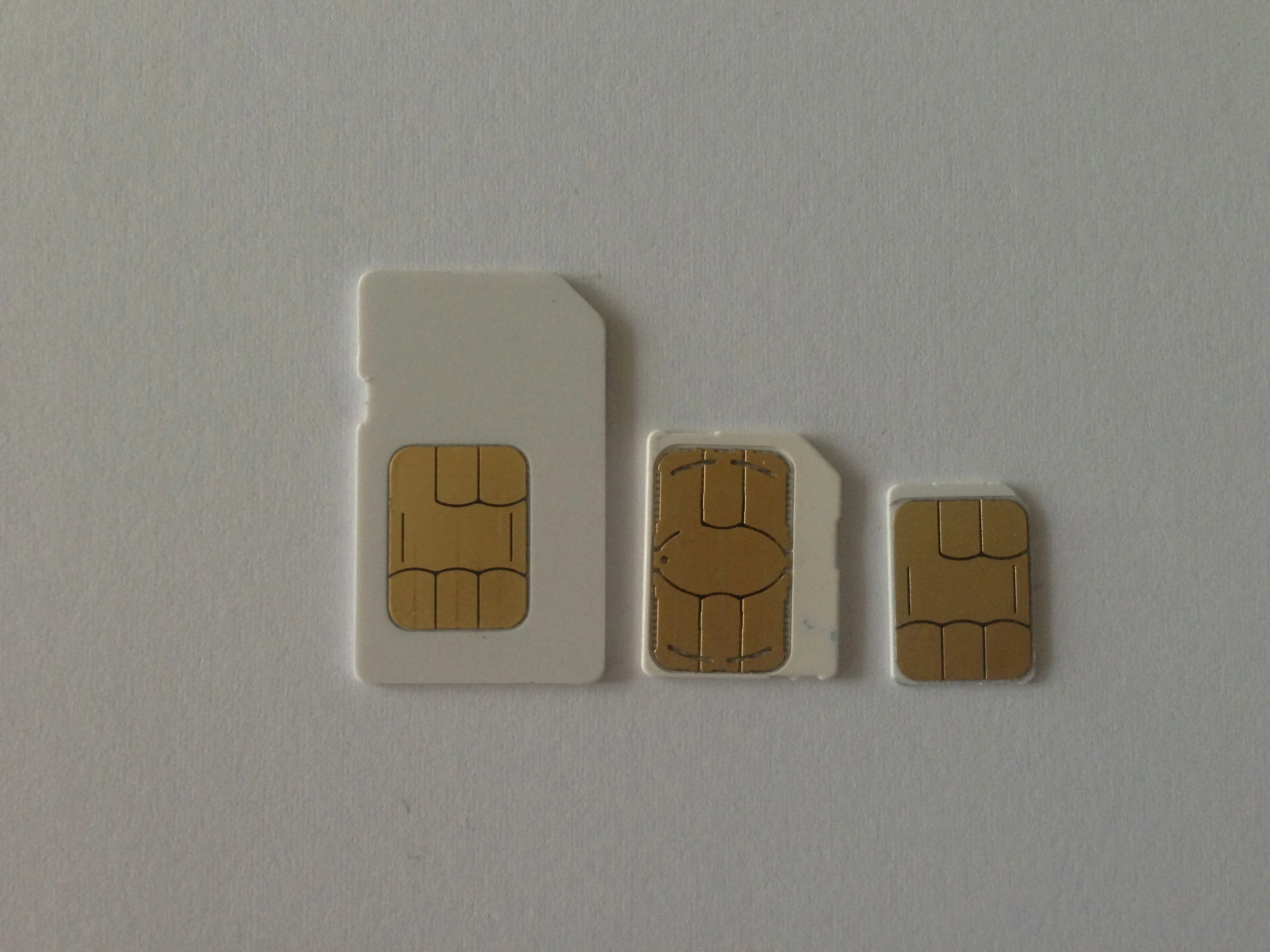
- you do not want to handle or lose a tiny SIM card;
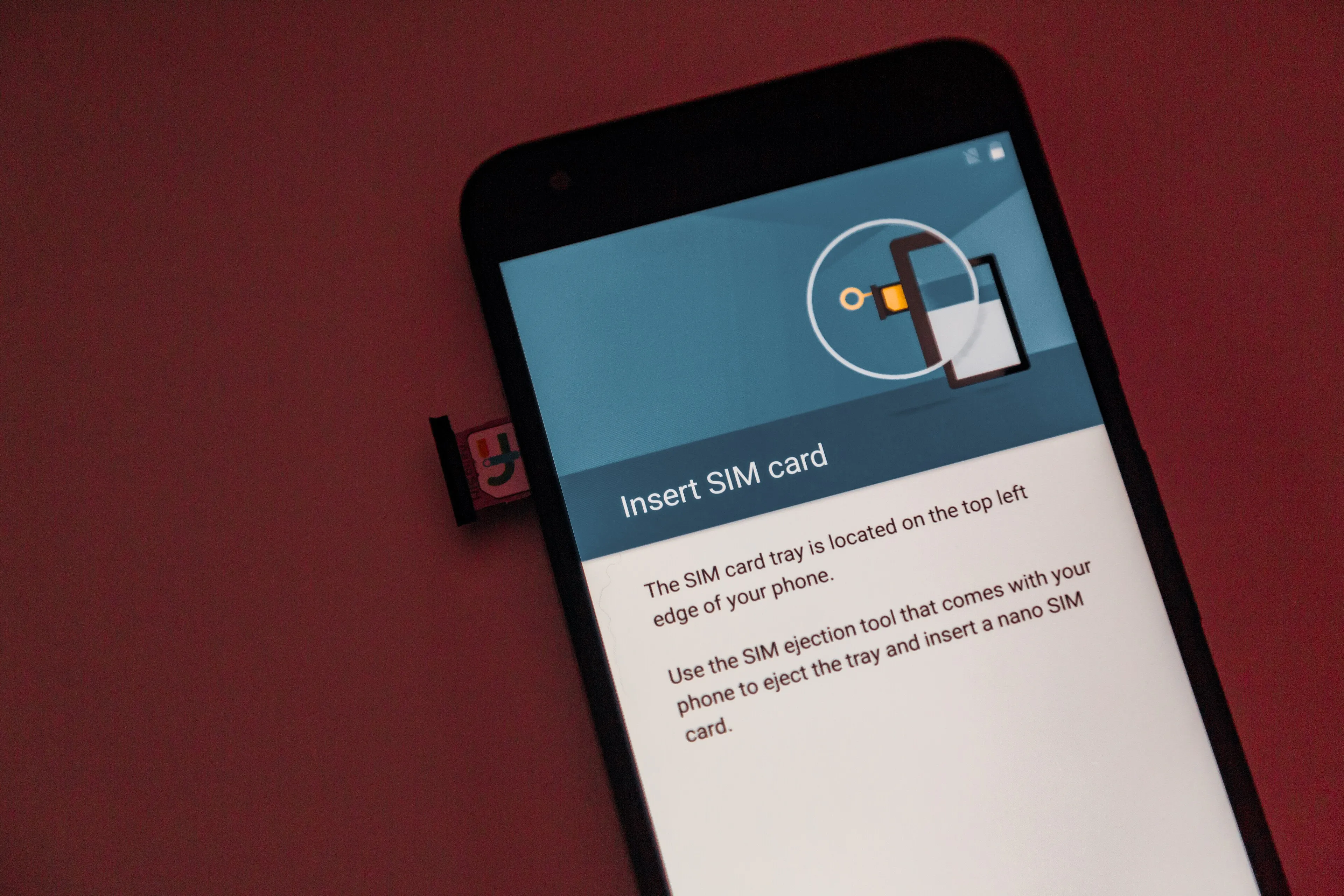
- your phone has no physical SIM tray;
- you prefer to compare plans before departure.
Installation is normally through a provider app, QR code or manual activation details. Install over reliable Wi-Fi and retain the instructions offline.
When a physical SIM is better
A local physical SIM can be the stronger choice when:
- the phone does not support eSIM;
- a local network offers much more data for the price;
- you need a local telephone number for restaurants, delivery or local contacts;
- the plan must receive ordinary SMS;
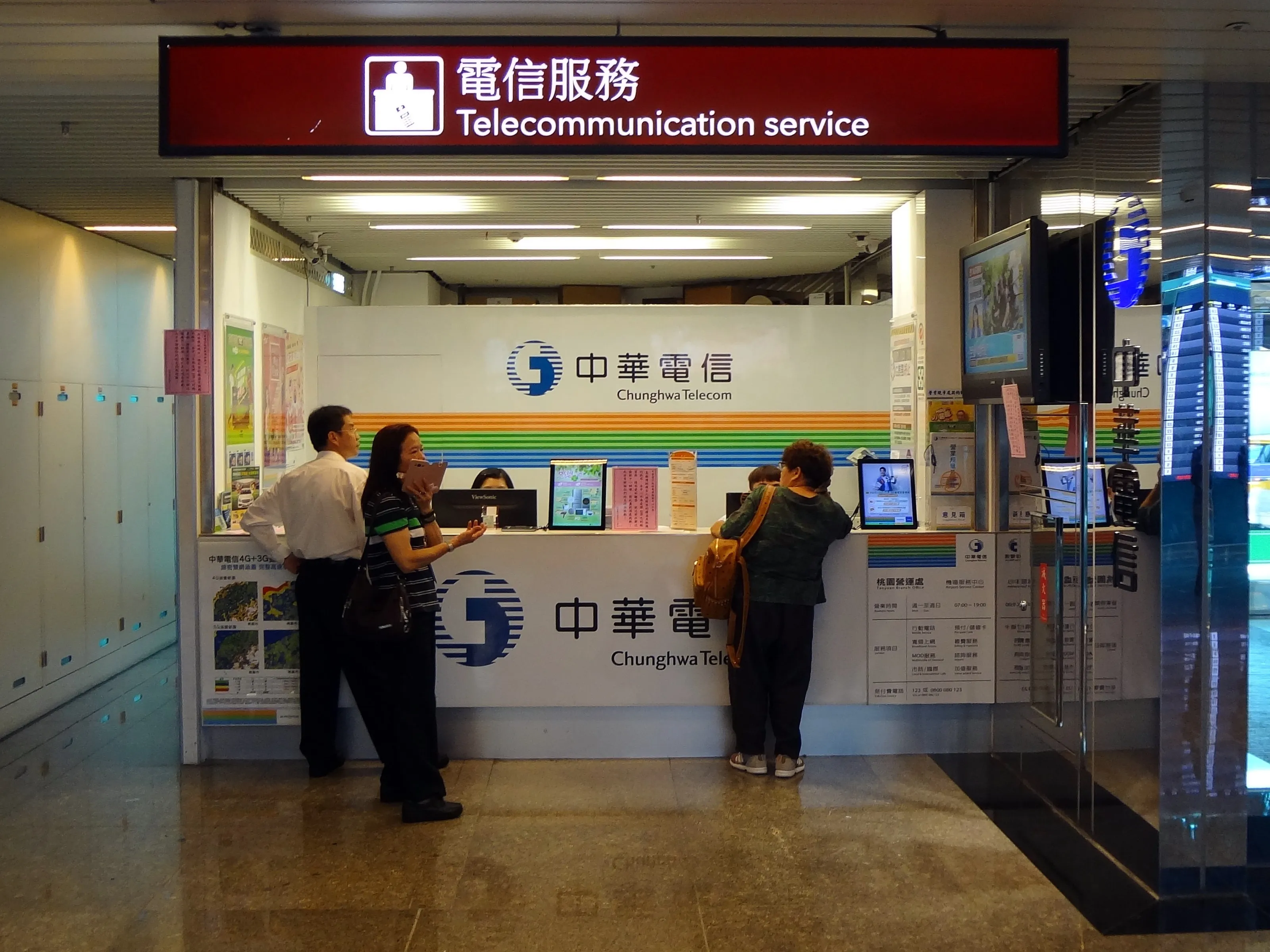
- you want face-to-face setup assistance;
- you may move the subscription between compatible phones.
Protect the home SIM after removing it. A small labelled container is safer than placing it loose in a wallet.
Coverage and speed
Neither format is inherently faster. Coverage, latency, 4G/5G access and congestion depend on the network carrying the service.
Some travel eSIM companies resell access to one or more local partner networks. Check whether the plan can switch networks or is locked to one. Also check whether data is routed through another country, which can increase latency or affect access to local services.
Calls, texts and verification codes
Many travel eSIMs are data-only. Internet calling and messaging work, but the plan may not include:
- a telephone number;
- incoming SMS;
- outgoing local calls;
- emergency calling in the same way as a full local subscription.
If access to the home number is essential, keep the home line active only after checking roaming charges. Prepare backup authentication codes or an authenticator app for important accounts.
Cost traps to compare
- “Unlimited” plans that reduce speed after a daily allowance.
- Short validity periods that begin before the trip.
- Hotspot restrictions.
- Activation codes that can only be used once.
- Refund exclusions after installation.
- Expensive home-line calls while travel data is active.
- Local taxes or activation fees added at checkout.
Recommendation by trip
| Trip | Usually the best starting option |
|---|---|
| Two-day city break | Existing roaming or a small eSIM |
| One- or two-week holiday | Travel eSIM, unless a local SIM is markedly better |
| Multi-country trip | Regional eSIM or suitable roaming bundle |
| One-month stay | Compare local eSIM and physical SIM directly |
| Need a local number | Local network SIM/eSIM |
| Phone without eSIM | Physical SIM or home roaming |
| Work requiring stable hotspot use | A plan explicitly allowing tethering, with a backup |
Related guides
- Travel SIM Cards and eSIMs: Beginner’s Guide
- How Much Mobile Data Do You Need?
- Should You Buy a SIM Card at the Airport?
Information checked on 28 July 2026. Compatibility and plan terms vary by device, country and provider.